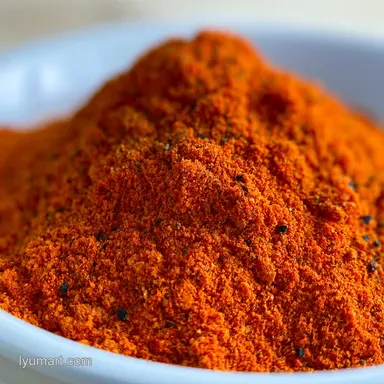
Cajun Seasoning Mix: Smoky and Bold
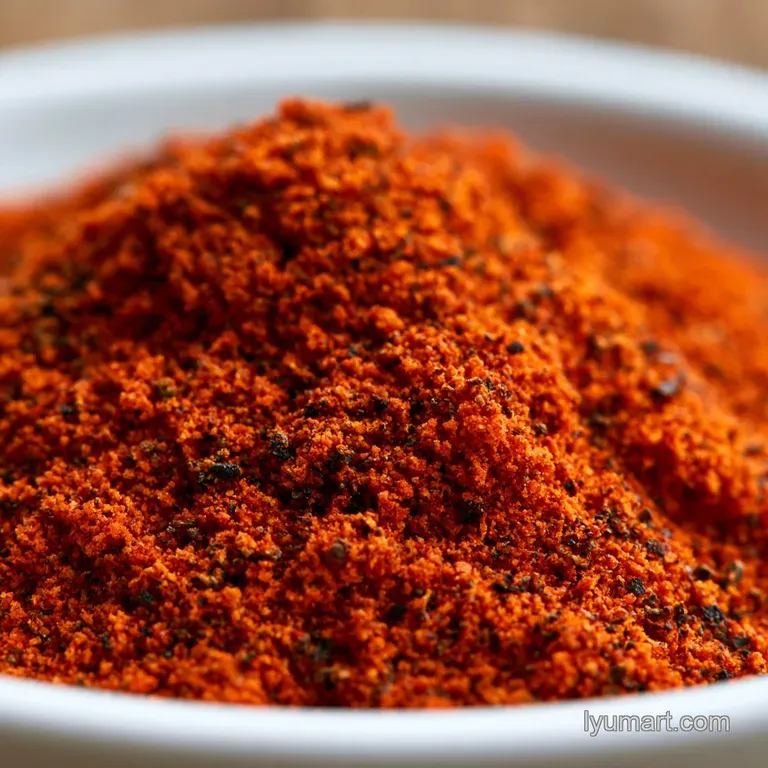
- Time:5 minutes active = Total 5 minutes
- Flavor/Texture Hook: Smoky, pungent, and gritty
- Perfect for: Weeknight proteins, roasted veg, or gifting in jars
- Cajun seasoning mix recipe
- Smoked Paprika: The Flavor Hero
- Quick Summary and Details
- Deep Dive Into Ingredients
- Essential Tools for Mixing
- Simple Steps to Blend
- Common Mistakes and Fixes
- Customizing Your Spice Profile
- Adjusting Your Batch Size
- Spice Myths and Truths
- Storage and Freshness Tips
- Best Ways to Use It
- Critical Sodium Level
- Recipe FAQs
- 📝 Recipe Card
Cajun seasoning mix recipe
That first sizzle when a pinch of spice hits a hot cast iron skillet is where the magic starts. In my family's Atlanta kitchen, the air always smelled like a mix of toasted garlic and something vaguely smoky, a scent that basically meant Grandma Lucille was in the zone.
She didn't believe in store-bought tins that were 70% salt; she believed in building layers of flavor that hit different parts of your tongue at different times.
For me, this was always about that one specific scent, the deep, red aroma of smoked paprika. I remember watching her stir these together in a big ceramic bowl, the mahogany powder swirling into a cloud.
It wasn't just about the heat, it was about the soul of the food, making sure the spice didn't just sit on top of the meat but actually became part of the crust.
You're going to love this cajun seasoning mix recipe because it skips the fillers. We're focusing on the real deal: a blend that's punchy but doesn't drown out the natural flavor of your shrimp or chicken.
It's the kind of mix that makes a simple piece of protein feel like a Sunday feast, giving you that authentic Louisiana vibe right in your own kitchen.
Smoked Paprika: The Flavor Hero
The secret here is the smoked paprika. Most people just use regular paprika, which is basically just for color, but smoked paprika is the heavy lifter. It provides a depth that mimics a charcoal grill, which is essential for a proper homemade cajun seasoning recipe. According to the flavor profiles at Serious Eats, the smoking process adds a complexity that cuts through the fattiness of proteins like pork belly or blackened catfish.
Without the smoke, the blend feels flat. The paprika acts as the anchor, allowing the cayenne and red pepper flakes to dance on top without becoming overwhelming. It's the difference between a spice that just tastes "hot" and one that tastes "rich".
I once tried a version with just sweet paprika, and honestly, it felt like something was missing, like a song without a bass line.
This specific ingredient is why the mix gets that gorgeous, dark red hue. When it hits the heat, the oils in the paprika bloom, creating a fragrant crust that seals in the juices of whatever you're cooking. Trust me on this, don't settle for the generic stuff in the plastic shaker.
Quick Summary and Details
Before we get into the grit, let's look at how this stacks up. Most people wonder if it's worth making your own blend when you can buy a jar for three bucks. The truth is, store-bought mixes are often loaded with anti caking agents and way too much sodium, which masks the actual spices.
When you make a simple cajun spice mix at home, you control the salt. You can dial up the heat if you're feeling brave or tone it down for the kids. It's about the quality of the ingredients, using fresh ground black pepper instead of that dusty pre ground stuff that's been sitting in a warehouse for two years.
| Fresh Blend | store-bought Shortcut | Impact | Savings |
|---|---|---|---|
| Pure Spices | Salt/Fillers | Richer taste | Low cost |
| Adjustable Heat | One size fits all | Personalized | Time saved |
| No Preservatives | Anti caking agents | Healthier | Convenience |
This mix is incredibly fast to put together. Since there's no cooking involved in the blending process, it's really just a matter of measuring and stirring. But don't rush the stirring part, as that's where the uniformity comes from.
Deep Dive Into Ingredients
The magic of a Louisiana cajun seasoning mix is in the balance. You have the base, which provides the bulk and color, the heat, which gives the kick, and the earthy notes, which ground the whole thing. If you miss one of these, the blend feels unbalanced.
The Base: Smoked paprika and onion powder create a savory foundation. The paprika gives that woody sweetness, while the onion powder adds a pungent, savory depth that makes the meat taste "meatier".
The Heat: We use a trio of cayenne, black pepper, and red pepper flakes. This creates a multi dimensional heat. The cayenne is a sharp, immediate sting, the black pepper is a slow warmth in the back of the throat, and the flakes add little bursts of spice.
The Earthy Notes: Dried oregano and thyme are the unsung heroes. They provide a herbal, slightly minty contrast to the heavy smoke and heat. Without these, the mix would just be a spicy powder; with them, it becomes a complex seasoning.
| Ingredient | Science Role | Pro Secret |
|---|---|---|
| Smoked Paprika | Color & Base | Use Spanish Pimentón for more depth |
| Cayenne Pepper | Primary Heat | Toast slightly for a nuttier kick |
| Kosher Salt | Flavor Enhancer | Use coarse grains for better crust |
| Dried Thyme | Earthy Balance | Rub between palms to wake up oils |
Right then, let's talk about the actual gear you'll need. You don't need anything fancy, but a few specific tools make the process much cleaner.
Essential Tools for Mixing
I've learned the hard way that using a regular spoon to mix spices can leave you with "hot spots" in your blend. If the cayenne clumps together, one piece of chicken will be mild and the next will be a fire hazard. A small whisk is your best friend here.
You'll also want a fine mesh sieve. Some of the cheaper garlic powders or paprikas can clump together into little hard balls. Pressing them through a sieve ensures that your homemade cajun spice blend is a fine, consistent powder.
This is especially important if you're using this as a cajun spice rub for fish, where you want an even coating.
Finally, get a glass jar with a tight seal. Plastic can absorb smells and let moisture in, which will make your spices clump over time. A Mason jar is the gold standard here.
Simple Steps to Blend
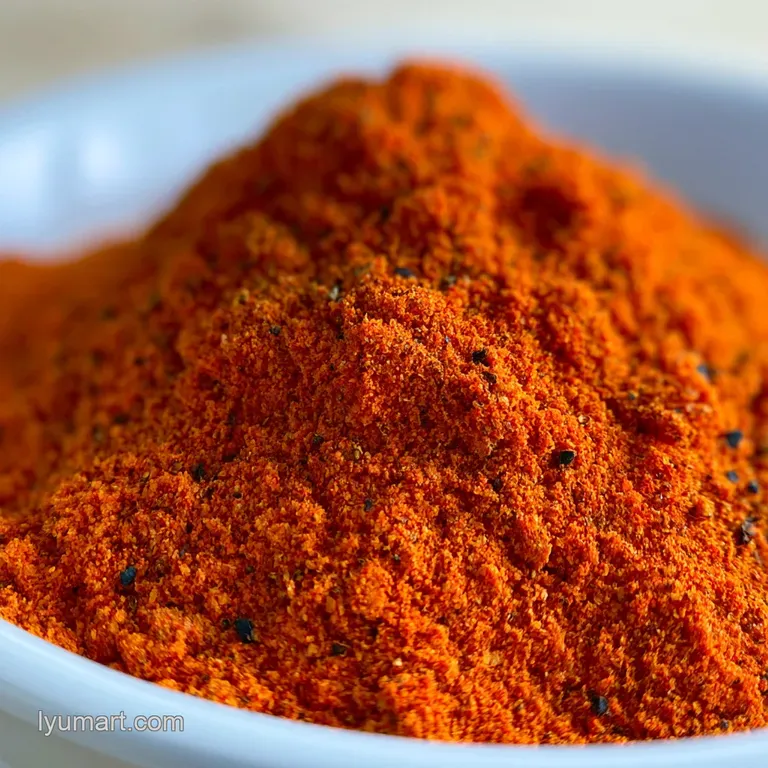
Follow these steps exactly to get that consistent mahogany color we're looking for.
- Measure out the smoked paprika, salt, garlic powder, and onion powder. Note: These form the bulk of your mix.
- Press the paprika and garlic powder through a fine mesh sieve into a mixing bowl. Note: This removes any stubborn clumps.
- Add the cayenne pepper, black pepper, and red pepper flakes. Note: The heat elements go in after the base.
- Stir in the dried oregano and dried thyme. Note: These herbs add the final earthy layer.
- Use a whisk to stir in a circular motion for 60 seconds. Until the powder is a consistent mahogany color with no visible streaks.
- Check the color and scent. Until it smells pungent and balanced.
- Transfer the mixture into an airtight glass jar. Note: Do not overfill the jar.
- Tap the jar firmly on the counter. Until the spices settle and there are no air gaps.
- Seal the lid tightly to preserve the volatile oils. Note: Keep it away from the stove's heat.
Common Mistakes and Fixes
The most common issue people have with this cajun seasoning mix recipe is the "salt shock". Because we use kosher salt, which has larger grains, it can sometimes not distribute evenly. If you find your food is too salty, it's usually because the mix wasn't whisked enough.
Another problem is the "burn factor". If you're using this for a blackened fish, the paprika can burn if the pan is too hot, turning the crust bitter instead of smoky. The trick is to use a high smoke point oil and watch for the spices to fragrance, not smoke.
| Problem | Root Cause | Solution |
|---|---|---|
| Bitter Taste | Burnt Paprika | Lower heat by 20 degrees |
| Too Salty | Poor Mixing | Whisk for another 60 seconds |
| Mild Flavor | Old Spices | Replace spices older than 6 months |
Quick Fix Checklist
- ✓ Always use a whisk, never just a fork.
- ✓ Sift your garlic powder to avoid salty clumps.
- ✓ Store in a cool, dark cupboard, not on the counter.
- ✓ Rub your dried herbs to release the aroma before adding.
- ✓ Use a kitchen scale for exact measurements if you have one.
Customizing Your Spice Profile
Once you've mastered the best cajun seasoning mix, you can start tweaking it to fit your mood. If you want something more "blackened", increase the paprika and cayenne. For a more herbal version, double the thyme.
If you're looking for a way to use this besides meat, try it on vegetables. It's incredible on roasted cauliflower or tossed with baked potatoes for a Southern twist. Just toss the potato wedges in olive oil and a generous dusting of the mix before popping them in the oven.
Heat Variations
If you want a "mild" version, replace half the cayenne with extra smoked paprika. If you want "nuclear", add a pinch of ghost pepper powder, but be careful that stuff is no joke.
Diet Swaps
For those watching their sodium, you can swap the kosher salt for a potassium based salt substitute. Note: This can add a slightly metallic taste, so use it sparingly. Another option is to leave the salt out entirely and salt your proteins individually.
Adjusting Your Batch Size
Scaling a spice blend isn't always as simple as multiplying by two. When you're dealing with potent ingredients like cayenne and red pepper flakes, they can become disproportionately strong in larger batches.
Scaling Down (½ Batch): Use a smaller bowl to ensure the whisk can actually reach all the spices. Since the volume is lower, you might need to whisk for a bit longer to get that same mahogany uniformity.
Scaling Up (2x - 4x Batch): When doubling or tripling this cajun seasoning mix recipe, I recommend only increasing the salt and cayenne to 1.5x the multiplier first. Taste a small pinch with a piece of potato or chicken, then add more if needed.
The heat tends to compound, and you don't want to accidentally make a batch that's inedible.
| Batch Size | Salt Adjustment | Heat Adjustment | Mix Time |
|---|---|---|---|
| Single | 100% | 100% | 60 seconds |
| Double | 150% | 150% | 2 minutes |
| Quadruple | 200% | 200% | 3 minutes |
It's always better to under salt your bulk mix and add more later than to ruin a whole jar of spices.
Spice Myths and Truths
You'll often hear that you need to "toast" your spices in a pan before mixing them. While that's great for whole seeds, doing it with ground powders like these can be risky. Ground paprika burns in seconds, and once it's burnt, the flavor is ruined.
Stick to mixing them raw and let the heat of the pan do the work when you actually cook the food.
Another myth is that "more cayenne equals more authentic". In reality, authentic Louisiana cooking is about the balance of "holy trinity" flavors (onion, celery, pepper). Adding too much heat just masks the complexity. The goal is a slow build, not an immediate punch to the face.
Storage and Freshness Tips
To keep your homemade cajun spice blend tasting fresh, keep it in a glass jar away from direct sunlight and heat. I always tell my friends not to keep their spice jars right next to the stove. The heat from the burners causes the volatile oils in the herbs and paprika to evaporate, leaving you with a bland powder.
In the fridge, this mix will last about 6 months, but in a cool pantry, it's good for 3 to 4 months. If you've made a massive batch, you can actually freeze it in a sealed bag for up to a year. Just make sure it's completely airtight so it doesn't pick up the scent of that frozen salmon in your freezer.
For zero waste, if you have leftover spices that are starting to lose their punch, don't throw them away. Use them as a base for a marinade by mixing the old powder with olive oil, lemon juice, and a bit of fresh honey. The liquids help re hydrate the spices and bring them back to life.
Best Ways to Use It
This mix is a workhorse in the kitchen. For the classic experience, use it as a cajun seasoning for chicken by rubbing it under the skin of thighs and roasting them at 200°C. The fat from the chicken renders and mixes with the spices to create a velvety, savory glaze.
It's also a game changer for seafood. For a quick dinner, I love pairing this rub with a seared cod herb butter sauce. The smokiness of the cajun rub contrasts beautifully with the richness of the butter. Just coat the cod fillets liberally, sear them in a screaming hot pan for 3 minutes per side, and pour the butter sauce over the top.
You can also whisk a teaspoon of this into mayo or sour cream to make a quick dipping sauce for fries or roasted corn. It's an easy way to bring that Southern soul into a simple snack. Whether you're doing a full fish fry or just seasoning some grilled shrimp, this cajun seasoning mix recipe has you covered.
Trust the process, keep the heat balanced, and always use the smoked paprika. Happy cooking!
Critical Sodium Level
4275 mg 4,275 mg of sodium per serving (186% 186% of daily value)
The American Heart Association recommends a daily limit of 2,300mg of sodium to reduce the risk of high blood pressure and heart disease.
Tips to Reduce Sodium
-
Slash the Kosher Salt-30%
The kosher salt is the primary source of sodium. Reduce the amount by half or replace it with a salt free seasoning blend.
-
Add Acidic Brightness-10%
Incorporate lemon juice or apple cider vinegar to the final mix; acidity mimics the taste of salt and enhances the other spices.
-
Check Powder Labels-10%
Ensure your garlic and onion powders are pure and not 'seasoned' versions that contain hidden added salt.
-
Amplify Aromatic Herbs
Double the amount of dried oregano and thyme to create a more complex flavor profile that distracts from the lack of salt.
Recipe FAQs
What is Cajun spice mix made up of?
A blend of smoked paprika, kosher salt, garlic powder, onion powder, cayenne, black pepper, red pepper flakes, oregano, and thyme. These ingredients combine to create a balanced, smoky, and spicy profile.
What is the best Cajun spice mix?
A homemade version where you control the salt and freshness. Mixing your own ensures the herbs aren't stale and the heat level matches your preference.
What to use instead of Cajun spice mix?
Combine paprika, salt, garlic powder, and cayenne. This simplified version provides the essential heat and color for dishes like a steak sandwich.
How to ensure the spices are evenly blended?
Stir the spices in a circular motion for 60 seconds. Use a whisk or fork until the powder reaches a consistent mahogany color with no visible streaks.
Is it true that spice jars should be kept near the stove for convenience?
No, this is a common misconception. Heat from the burners evaporates the volatile oils in the herbs and paprika, which leaves the blend tasting bland.
Why is my seasoning making the food taste too salty?
The mix wasn't whisked enough, leading to "salt shock." Because kosher salt has larger grains, it can clump and distribute unevenly if not stirred thoroughly.
How long can I store homemade Cajun seasoning?
Store in a cool pantry for 3 to 4 months. You can extend the shelf life to 6 months in the fridge or up to a year in an airtight freezer bag.
Cajun Seasoning Mix Recipe