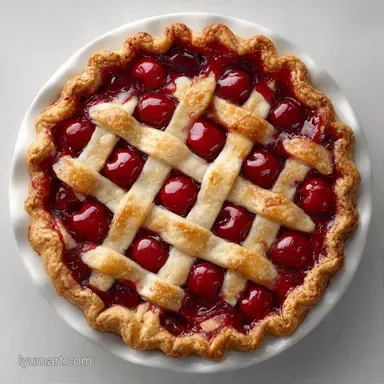
Double Crust Cherry Pie: Flaky and Buttery

- Time: 45 min active + 1 hour chilling
- Flavor/Texture Hook: Flaky, buttery crust with a jammy, tart center
- Perfect for: Holiday gatherings or a slow Sunday dessert
That sharp, sweet smell of cherries bubbling over the crust is the best part of a Sunday afternoon. But let's be real, we've all had that moment of heartbreak when you slice into a pie and the bottom is a pale, wet paste. I spent way too long making pies that looked great on top but had that dreaded soggy bottom.
It's a common fail that makes the whole thing feel like a mess.
You want a crust that snaps and a filling that holds its shape, not a soup. The key is managing the moisture and the temperature of your ingredients from start to finish.
This Double Crust Cherry Pie relies on a few specific tweaks to get that professional bakery finish at home. We're talking about a sturdy yet flaky shell that can handle the weight of a hundred cherries without collapsing.
Double Crust Cherry Pie
Honest Baking Truths
- Cold Butter: Keeping the fat in solid chunks creates steam pockets that lift the flour, making the crust flaky.
- Starch Hydration: Letting the cherries sit with the cornstarch for a few minutes prevents the filling from leaking.
| Method | Time | Texture | Best For |
|---|---|---|---|
| Oven (Raw Fill) | 55 min | Jammy, thick | Traditional fruit texture |
| Stovetop (Pre cook) | 20m + 40m | Glossy, set | Avoiding any leaks |
What Each Ingredient Does
| Ingredient | What It Does | Best Swap |
|---|---|---|
| All Purpose Flour | Provides structure | Pastry flour (tenderer crust) |
| Unsalted Butter | Creates flaky layers | Vegetable shortening (sturdier) |
| Cornstarch | Thickens the juices | Tapioca starch (clearer gloss) |
| Lemon Juice | Brightens the cherry flavor | Lime juice (zippier) |
The Ingredient List
For the crust, you'll need 2 ½ cups (315g) of all purpose flour, 1 tablespoon (9g) of granulated sugar, and 1 teaspoon (6g) of salt. You'll also need 1 cup (227g) of unsalted butter, which must be very cold and cubed. To bind it, use 6 to 8 tablespoons (90-120ml) of ice water.
For the filling of this Double Crust Cherry Pie, grab 6 cups (900g) of pitted sweet cherries, halved. Mix those with ¾ cup (150g) of granulated sugar and ¼ cup (32g) of cornstarch. Add 1 tablespoon (15ml) of lemon juice, 1 teaspoon (2g) of ground cinnamon, and ¼ teaspoon (1g) of salt.
Finally, for the finish, you'll need 1 tablespoon (15g) of unsalted butter (diced), 1 large egg, 1 tablespoon (15ml) of heavy cream, and 2 tablespoons (25g) of turbinado sugar.
Why this? Turbinado sugar adds a crunch that regular sugar doesn't provide.
Kitchen Tools Needed
You'll need a 9 inch deep dish pie plate and a rolling pin. A food processor makes the crust easier, but a pastry cutter works too. For the filling, a large mixing bowl is a must. To get the golden finish, keep a pastry brush handy.
Baking step-by-step
- Mix the flour, sugar, and salt in a bowl. Pulse in the cold butter until the mixture resembles coarse crumbs with some pea sized lumps remaining.
- Gradually add ice water, one tablespoon at a time, until the dough just holds together. Divide into two discs, wrap in plastic, and chill for at least 1 hour. Note: Overworking the dough at this stage makes the crust tough.
- Toss the halved cherries with sugar, cornstarch, lemon juice, cinnamon, and salt. Let the mixture sit for 15 minutes to allow the juices to release and the starch to hydrate.
- Roll out the first disc of dough to a 12 inch circle and fit it into the 9 inch deep dish pie plate.
- Pour in the cherry mixture and dot the top with the diced butter.
- Roll out the second disc and place it over the filling as a solid crust or cut into strips for a lattice design.
- Whisk together the egg and heavy cream. Brush the top of the crust with the mixture and sprinkle with turbinado sugar.
- Bake for 55 minutes until the crust is mahogany colored and the filling is bubbling.
Chef's Note: If the edges start to brown too quickly, cover them with a strip of foil around the 30 minute mark.
Fixing Common Pie Problems

When making a Double Crust Cherry Pie, things can go sideways if the temperature isn't right. The most common issue is the filling running over the sides, which happens if the cornstarch didn't have time to bond with the juice.
Soggy Bottom Fix
The bottom crust stays raw when the heat doesn't reach it fast enough. To fix this, place your oven rack in the lower third of the oven. You can also preheat a baking sheet and slide the pie plate directly onto it.
Crust Shrinkage
This happens when the dough is stretched too thin or not chilled enough. Always let the dough rest. If you pull the edges too hard, they'll snap back during baking.
Burnt Edges
The edges are more exposed to heat than the center. Using a pie shield or aluminum foil strips prevents the rim from burning before the center is set.
| Problem | Root Cause | Solution |
|---|---|---|
| Runny Filling | Not enough cornstarch | Increase starch by 1 tbsp |
| Tough Crust | Over mixing dough | Use a light touch; stop as soon as it clumps |
| Pale Crust | Egg wash omitted | Use egg and cream for browning |
Fun Flavor Twists
You can easily change the vibe of this Double Crust Cherry Pie. If you love a nutty taste, try an almond twist by adding ¼ teaspoon of almond extract to the filling. It pairs beautifully with the tart cherries.
For those avoiding gluten, you can swap the flour for a 1:1 gluten-free baking blend. Just be careful not to over roll, as GF dough can be more fragile. For a vegan version, use chilled vegan butter and a flax egg for the wash.
If you enjoy these bold fruit notes, you might also like the tangy profile of my Cherry Tomato Sauce for a pasta night. It uses similar cherry brightness in a savory way.
Adjusting the Batch
If you want to make a smaller version, use a 6 inch pan and halve the ingredients. Reduce the baking time by about 20%, but still look for those bubbling juices. If you're doubling the recipe for two pies, don't double the salt and cinnamon exactly; use about 1.5x the amount to keep the flavors balanced.
For larger batches, work with the dough in two separate bowls. This prevents the butter from warming up while you're mixing, which is the biggest risk when scaling up. According to Serious Eats, keeping the dough cold is the single most important factor for flakiness.
Debunking Pie Myths
Some people say you must blind bake the bottom crust to avoid sogginess. While it helps, it's not required if you use a thickener like cornstarch and bake on a low rack.
Another myth is that you need a professional stand mixer for the dough. Honestly, a fork or a pastry cutter is better because it's easier to see when the butter is the right size.
Storage and Reheating
This Double Crust Cherry Pie stays fresh on the counter for 2 days. Keep it covered loosely with foil to avoid trapping steam, which makes the crust soft. In the fridge, it lasts about 5 days.
For the freezer, you can freeze the pie unbaked. Wrap the crust in plastic and the filling in a container. Bake from frozen, adding about 10-15 minutes to the total time.
To reheat a slice, avoid the microwave. Use the oven at 300°F for 10 minutes. This keeps the crust crispy rather than rubbery. To reduce waste, use any leftover dough scraps to make small cinnamon sugar crackers.
Best Serving Ideas
The best way to serve a slice is warm with a scoop of vanilla bean ice cream. The cold cream against the hot, tart cherries is a classic for a reason.
For a full dinner party, this dessert follows my Italian Stuffed Shells recipe beautifully. The richness of the cheese is balanced out by the acidity of the cherries.
If you're looking for something more sophisticated, try a dollop of creme fraiche or a drizzle of heavy cream. This cuts through the sweetness and highlights the lemon juice in the filling. For a savory contrast in the same kitchen, you might like my Chicken Shawarma with Garlic Sauce if you're prepping for a crowd.
Ultimately, a Double Crust Cherry Pie is all about the contrast between the flaky shell and the ruby red center. Once you get the butter temperature right, it becomes a reliable treat for any occasion. Just remember to let it cool for at least 2 hours before slicing, or the filling will run everywhere.
Trust me on that one.
Recipe FAQs
Do I need to prebake crust for cherry pie?
No. Baking the crust and filling together for 55 minutes prevents a soggy bottom. If you enjoyed mastering chilled dough here, see how we use a different pastry technique in our spinach and feta bake.
How long to bake a double crust cherry pie?
Bake for 55 minutes. The pie is finished when the crust reaches a mahogany color and the filling is bubbling.
Why did my cherry pie turn out runny?
Insufficient thickener or lack of resting. Ensure you use the full ¼ cup of cornstarch and let the cherries sit for 15 minutes before filling to properly hydrate the starch.
How many cherries go in cherry pie?
Use 6 cups of pitted, halved sweet cherries. This quantity is required to properly fill a 9-inch deep-dish pie plate.
How to make cherry pie filling taste better?
Add lemon juice and cinnamon. These ingredients balance the sugar and highlight the natural tartness of the cherries.
How to bake a cherry pie?
Roll out the dough, fill the plate, and cover with a second crust. Brush the top with an egg and cream wash, sprinkle with turbinado sugar, and bake for 55 minutes.
Can I freeze the pie before baking?
Yes, you can freeze it unbaked. Wrap the crust in plastic and store the filling in a container, then add 10-15 minutes to the total bake time.
Double Crust Cherry Pie for 8 Servings