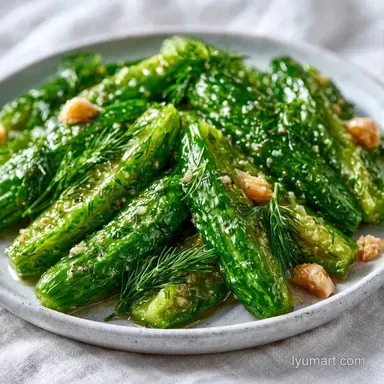
Crunchy Garlic Dill Pickle Recipe
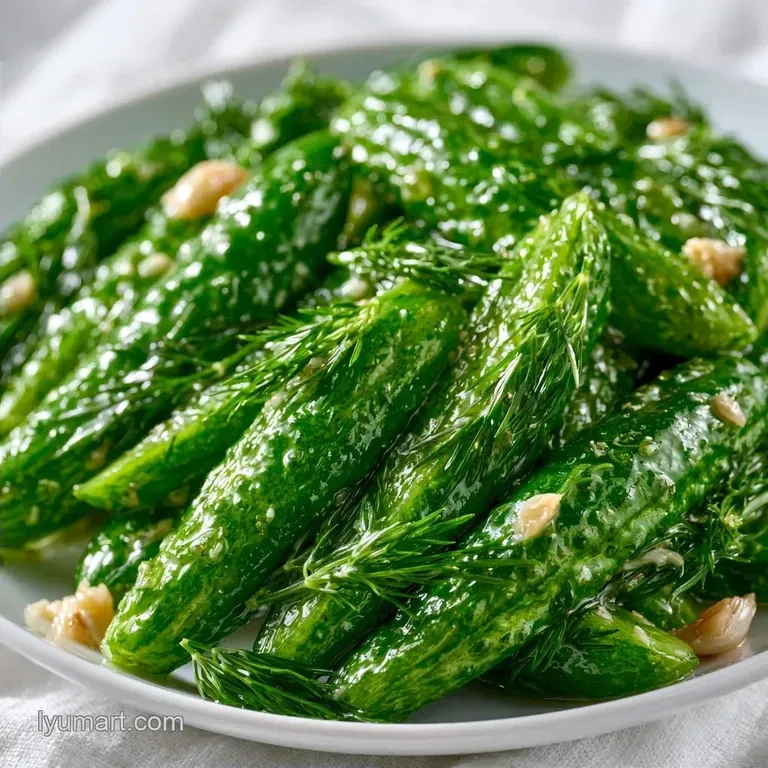
- Time: 40 min active + 25 hours chilling
- Flavor/Texture Hook: Sharp, vinegary, and seriously crunchy
- Perfect for: Burger nights, charcuterie boards, or healthy snacking
That loud, satisfying snap when you bite into a cold pickle is everything. I remember the first time I tried making these at home; I just tossed everything in a jar and hoped for the best. They tasted okay, but they were soft. Totally lacked that crispness you get from a professional jar.
The trick is all in the prep and the salt. Once I figured out the blossom end issue, everything changed. Now, I make a huge batch every summer when cucumbers are cheap and plentiful. It's a humble way to make the most of the season.
You can expect a sharp, punchy flavor that hits you right away. This Garlic Dill Pickle Recipe doesn't rely on fancy additives, just basic pantry staples and fresh herbs. It's a budget friendly way to keep your fridge stocked with something satisfying.
Easy Garlic Dill Pickle Recipe
Right then, let's talk about the "why" before we get into the "how." Most people think you just pour vinegar on a cucumber and call it a day. But if you want that specific crunch, you have to be intentional.
The Blossom End: Cutting a tiny sliver off the blossom end removes enzymes that break down pectin. This prevents the pickle from turning into a soggy mess.
The Brine Temp: Pouring boiling brine over cold cucumbers creates a temperature shock. This helps the liquid penetrate the skin quickly while keeping the core firm.
If you're looking for something even faster, you might enjoy a quick pickle recipe that doesn't require as much resting time. But for the real deal, the long soak is where the flavor lives.
| Method | Time | Texture | Best For |
|---|---|---|---|
| Refrigerator | 25 hours | Very Crunchy | Immediate snacking |
| Water Bath | 1-2 hours | Firm | long term pantry storage |
| Quick Soak | 2 hours | Soft Crunch | Fast appetizers |
Why They Stay Crunchy
The salt is the heavy lifter here. Using pickling salt instead of table salt is a move I learned the hard way. Table salt often has anti caking agents that make your brine look cloudy, which isn't a huge deal for taste, but it looks messy.
According to USDA food data, the acidity of the vinegar combined with the salt creates an environment where the cell walls of the cucumber stay rigid. This is why the brine ratio has to be exact. If you've tried my pickles with white vinegar, you know that the balance of water and acid is what makes the flavor pop without being overly harsh.
The Right Ingredients
I always suggest Kirbys. They have thinner skins and a denser interior than those giant slicing cucumbers you see at the grocery store. If you use a regular cucumber, you'll find it holds too much water and gets mushy faster.
| Ingredient | What It Does | Best Swap |
|---|---|---|
| Kirbys | Provides the crunch | Persian cucumbers (smaller) |
| Distilled White Vinegar | Adds acidity and preserves | Apple cider vinegar (mellower) |
| Pickling Salt | Draws out moisture | Kosher salt (coarser) |
| Fresh Dill | Adds the classic herbal note | Dill seed (stronger, less fresh) |
The Shopping List
- 3 lbs Kirbys or pickling cucumbers Why this? Denser flesh stays crunchy longer.
- 4 cloves garlic, smashed Why this? Smashed cloves release more oils.
- 4 sprigs fresh dill Why this? Fresh gives a brighter, cleaner taste.
- 1 tbsp black peppercorns Why this? Adds a subtle, woody heat.
- 1 tsp mustard seeds Why this? Adds a slight tang and depth.
- 2 cups distilled white vinegar Why this? Neutral taste, high acidity.
- 2 cups filtered water Why this? Prevents mineral cloudiness.
- 1/2 cup pickling salt Why this? Pure salt without additives.
- 1 tsp granulated sugar Why this? Balances the sharp vinegar.
Necessary Kitchen Tools
You don't need a professional lab for this, but a few specific tools make it easier. I use standard pint jars, but any glass jar with a tight seal works. Avoid plastic containers for the long soak, as the vinegar can react with certain plastics over time.
A medium stainless steel pot is best for the brine. Avoid aluminum pots because the high acidity of the vinegar can react with the metal and give your brine a metallic taste. Trust me on this one, it's not a flavor you want.
The step-by-step Process
Let's get into it. The key here is precision during the packing phase. If the cucumbers move around too much, they won't absorb the brine evenly.
Phase 1: The Precision Prep
- Wash cucumbers thoroughly in cold water.
- Slice off 1/16th of an inch from the blossom end of each cucumber. Note: This stops them from softening.
- Smash the 4 garlic cloves with the side of your knife.
Phase 2: The Tight Pack
- Divide the smashed garlic, fresh dill, black peppercorns, and mustard seeds equally among the bottom of four pint sized Mason jars.
- Pack the cucumbers into the jars vertically.
- Press down firmly until the cucumbers are snug and leave 1/2 inch of headspace.
Phase 3: Brine Infusion & Sealing
- Combine filtered water, distilled white vinegar, pickling salt, and granulated sugar in a medium pot.
- Bring to a rolling boil, stirring until the salt is completely dissolved.
- Pour the boiling brine over the cucumbers, leaving 1/4 inch of headspace.
- Gently tap the jars on the counter to release trapped air bubbles, wipe the rims clean, and seal tightly with lids.
Chef Note: If you find it hard to pack the cucumbers vertically, try cutting them into spears. It doesn't change the flavor, but it makes the packing process much faster.
Troubleshooting Your Batch
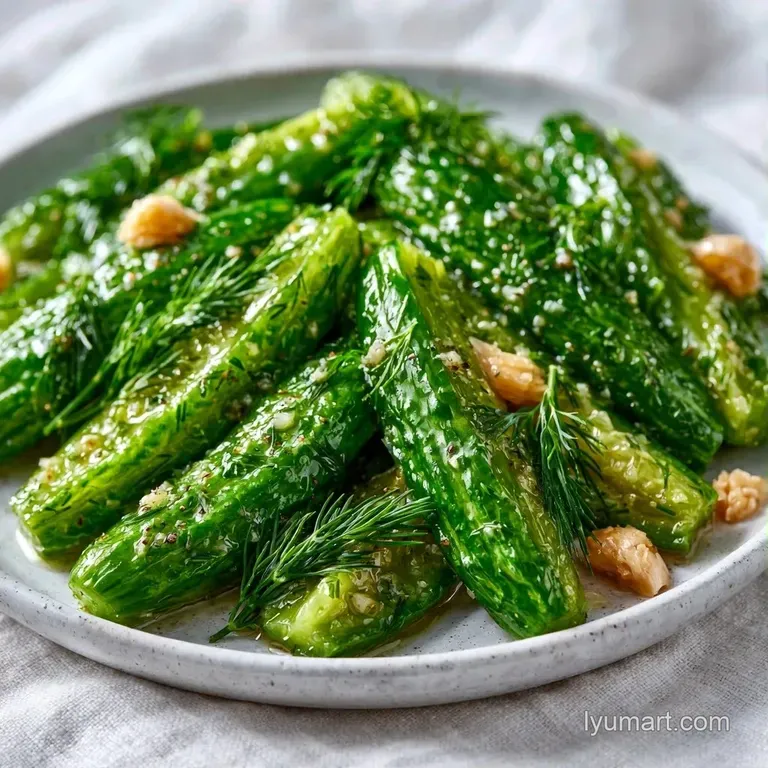
Even with a solid Garlic Dill Pickle Recipe, things can go sideways. Usually, it's a result of the cucumber variety or the salt type.
| Issue | Solution |
|---|---|
| Why are my pickles mushy | This usually happens if the blossom end wasn't trimmed or if the cucumbers were too warm when the brine hit them. It can also happen if you used slicing cucumbers instead of pickling ones. |
| Brine cloudy | Cloudiness is almost always caused by using table salt with anti caking agents. It doesn't affect the safety of the food, but it doesn't look as clean. |
| Why did the cucumbers float | If the cucumbers float, they aren't fully submerged in the brine, which can lead to spoilage. You can use a glass weight or even a clean cabbage leaf to hold them down. |
Swaps and Variations
One of the things I love about this Garlic Dill Pickle Recipe is how easy it is to tweak. Depending on what's in your pantry, you can change the vibe entirely.
The Heat Version: Add a sliced jalapeño or a pinch of red pepper flakes to each jar. It gives a slow burn that cuts through the salt.
The Honey Twist: Replace the granulated sugar with a tablespoon of honey. It adds a floral note that works surprisingly well with the garlic.
Refrigerator Garlic Dill Pickles: If you don't want to deal with canning, just put these jars straight into the fridge after they cool. They stay great for weeks and keep a firmer snap.
Garlic Dill Pickle Recipe for Canning: For long term storage, process these in a boiling water bath for 10 minutes. This seals them for the pantry, though I find the fridge version tastes fresher.
| Original Ingredient | Substitute | Why It Works |
|---|---|---|
| White Vinegar | Apple Cider Vinegar | Milder flavor. Note: Changes color to a slight amber |
| Fresh Dill | Dill Seed | Concentrated flavor. Note: Use 1 tsp instead of sprigs |
| Granulated Sugar | Maple Syrup | Earthy sweetness. Note: Best with apple cider vinegar |
Adjusting the Batch Size
If you're only pickling a few cucumbers, you can easily scale this down. For a half batch, use 1.5 lbs of cucumbers and cut the liquids in half.
When scaling up to a double or triple batch, don't just multiply the salt and spices by three. Salt can become overwhelming. I suggest increasing the salt and peppercorns by 1.5x instead of 2x or 3x. Liquids should stay at a 1:1 ratio to the cucumbers to ensure everything is covered.
Decision Shortcut: - Want a spicy kick? Add sliced jalapeños. - Prefer a softer crunch? Use a standard cucumber. - Short on time? Skip the 25 hour wait for a "quick pickle" taste.
Common Myths
There's a lot of misinformation about pickling. One big one is that you need to "cure" the cucumbers in salt for 24 hours first. While that works for fermented pickles, for a vinegar based Garlic Dill Pickle Recipe, it's unnecessary and can actually make them too salty.
Another myth is that you can't use filtered water. Some say you need "hard" water for the minerals. Actually, filtered water is better because it prevents those weird mineral deposits from clouding your brine.
Storage and Waste
Store these in the fridge for up to 2 months. The longer they sit, the more the garlic flavor penetrates the cucumber.
Don't throw away the leftover brine! It's a fantastic base for a potato salad dressing or a marinade for grilled chicken. You can even use it to quick pickle some red onions by just letting them sit in the leftover liquid for 30 minutes.
Perfect Pairing Ideas
These are classic for a reason. I always serve them alongside a juicy burger with melted cheddar. The acidity of the pickle cuts right through the fat of the meat.
They also belong on a charcuterie board. Pair them with a sharp white cheddar, some salty salami, and a bit of grainy mustard. If you're feeling fancy, try them with a cold dip of cream cheese and chives.
Now that you've got this Garlic Dill Pickle Recipe down, you'll never want to buy the store-bought jars again. The crunch is just better when you do it yourself. Trust me, your sandwiches will thank you.
Very High in Sodium
7312 mg 7312 mg of sodium per serving (318% 318% of daily value)
The American Heart Association recommends a daily sodium limit of 2,300mg, with an ideal limit of 1,500mg for most adults to reduce cardiovascular risk.
Tips to Reduce Sodium
-
Reduce Pickling Salt-30%
Significantly reduce the pickling salt. For refrigerator style pickles, you can often use 1-2 tablespoons instead of a half cup while still maintaining flavor.
-
Increase Acidity-15%
Increase the distilled white vinegar or add a splash of apple cider vinegar; the acidity mimics the sharp taste of salt, allowing you to use less of it.
-
Boost Aromatics-10%
Double the amount of smashed garlic and fresh dill to create a stronger flavor profile that compensates for the reduction in salt.
-
Enhance Spices
Add extra black peppercorns and mustard seeds to provide depth and warmth to the brine without adding any sodium.
Recipe FAQs
What do I need to make garlic dill pickles?
Gather Kirbys or pickling cucumbers, garlic, fresh dill, peppercorns, and mustard seeds. You will also need distilled white vinegar, filtered water, pickling salt, and granulated sugar to create the brine.
What is the secret to crisp dill pickles?
Trim 1/16th of an inch off the blossom end of each cucumber. This step neutralizes pectin breaking enzymes that cause mushiness. Using pickling specific cucumbers rather than slicing varieties also helps maintain crunch.
What are common pickling mistakes to avoid?
Avoid using table salt and forgetting to trim the cucumber ends. Table salt contains anti caking agents that cloud the brine. If you prefer a sweeter profile over a savory one, try our bread and butter pickles.
How to make homemade dill pickle juice?
Combine filtered water, distilled white vinegar, pickling salt, and granulated sugar in a medium pot. Bring the mixture to a rolling boil and stir until the salt is completely dissolved.
How is a pickle made?
Pack cucumbers and aromatics into jars and cover them with boiling brine. Once you release trapped air bubbles and wipe the rims, seal the jars tightly for the pickling process to begin.
Is it true that any salt works for pickling?
No, this is a common misconception. Table salt often contains additives that make the brine cloudy; pickling salt is necessary for a clear, professional result.
How to use the leftover pickle brine?
Use it as a marinade for grilled chicken or a base for potato salad dressing. You can also create quick pickled red onions by letting them soak in the leftover liquid for 30 minutes.
Garlic Dill Pickle Recipe