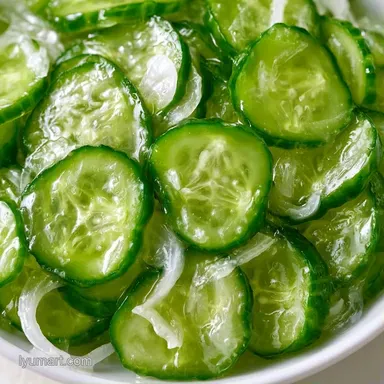
Crispy Homemade Bread and Butter Pickles
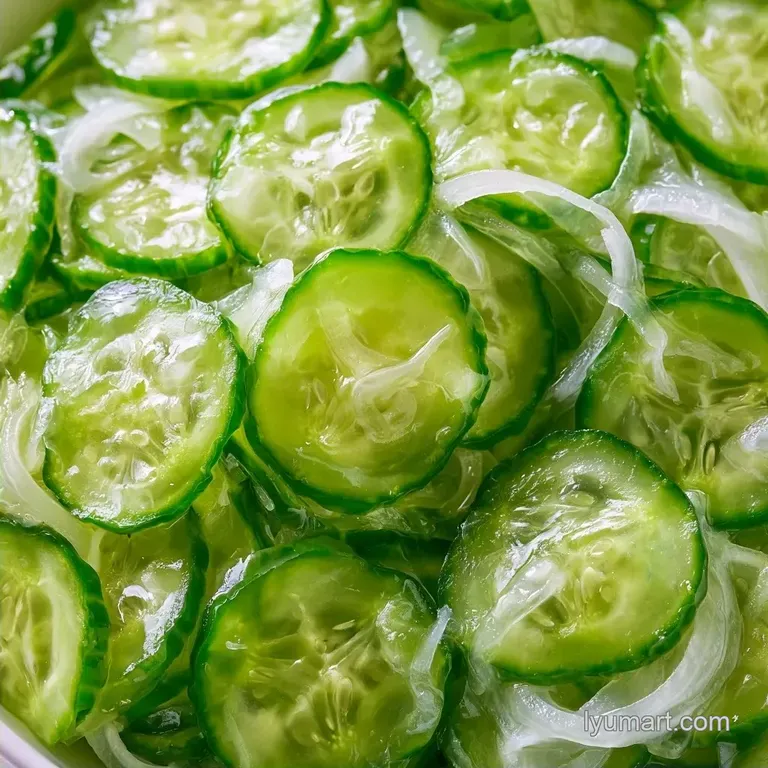
- Time: 20 min active + 24 hours chilling
- Flavor/Texture Hook: Tangy, sweet, and seriously crispy
- Perfect for: Burger nights, deli style sandwiches, or meal prep
That sharp, sweet scent of apple cider vinegar hitting the air always reminds me of my grandmother's kitchen. There is nothing quite like the sound of that first crunch when you bite into a slice that's been chilling for a full day. It's a humble side, but it completely changes the vibe of a meal.
I used to buy the store-bought jars, but they always felt too soft. I wanted something that actually had a snap to it. After messing around with different soaking times and salt types, I found that the ice cube trick is the real winner.
These Homemade Bread and Butter Pickles are meant to be a comfort food staple. You don't need fancy equipment or a canning degree to get these right, just a bit of patience while they sit in the fridge.
The Crunch Factor
You might wonder why we don't just toss the cucumbers straight into the brine. The answer is all about water. Cucumbers are mostly water, and if you leave it all in, your brine gets diluted and the texture turns mushy.
The Salt Soak: Salt draws water out of the cucumber cells through osmosis. This makes the slices denser and more receptive to the vinegar and sugar.
Temperature Control: Using ice cubes during the salt phase keeps the vegetables crisp. It prevents the salt from "cooking" the cucumber too quickly, which preserves the cell walls.
| Method | Time | Texture | Best For |
|---|---|---|---|
| Cold Soak | 30 min | Extra Snappy | Refrigerator Pickles |
| Quick Boil | 5 min | Softer/Tender | Immediate Serving |
| Raw Toss | 0 min | Watery | Very Short term Use |
The Quick Details
When you're planning your week, it's helpful to know that Homemade Bread and Butter Pickles take very little active work. Most of the time is just waiting for the flavors to merge.
The prep is fast, and the cooking part is basically just simmering a syrup. The 24 hour wait is where the magic happens. Trust me, if you eat them after two hours, they'll be okay, but they won't have that deep, integrated tang.
The Ingredient Breakdown
Not every ingredient is just for flavor. Some are there to do a specific job. For these Homemade Bread and Butter Pickles, the turmeric is a big one, providing that classic golden color you see in deli jars.
| Ingredient | What It Does | Best Swap |
|---|---|---|
| Apple Cider Vinegar | Provides tang and acidity | White vinegar (sharper taste) |
| Granulated Sugar | Balances acid and preserves | Honey (adds floral notes, softer crunch) |
| Pickling Salt | Draws out water without clouding | Kosher salt (check for additives) |
| Turmeric | Adds golden color and earthy base | Omit (pickles will be pale green) |
The Building Blocks
Stick to pickling cucumbers if you can. Standard salad cucumbers have skins that are too thick and seeds that are too large, which can make the result a bit watery.
- 2 lbs pickling cucumbers, sliced into 1/4 inch rounds Why this? Firmer texture than English cucumbers
- 1 cup white onion, thinly sliced Why this? Adds a sharp, savory contrast to the sugar
- 2 tbsp pickling salt (for the soak) Why this? No iodine, so the brine stays clear
- 1 tsp ice cubes Why this? Keeps the produce chilled during salting
- 2 cups apple cider vinegar Why this? Milder, fruitier taste than distilled vinegar
- 1 cup granulated white sugar Why this? Neutral sweetness that lets spices shine
- 1 tbsp pickling salt (for the brine) Why this? Essential for flavor balance
- 1 tsp mustard seeds Why this? Adds a tiny bit of heat and pop
- 1/2 tsp celery seeds Why this? Provides a classic "pickled" aroma
- 1/4 tsp turmeric powder Why this? Gives that iconic bright yellow hue
Essential Kitchen Tools
You don't need a professional lab for this. A few basic items will do the trick. I prefer using a large glass bowl for the soaking phase because plastic can sometimes hold onto smells from previous meals.
A heavy bottomed saucepan is great for the brine so the sugar doesn't scorch on the bottom. For the jars, any pint sized glass jars will work, as long as they have a tight seal. If you're using old jam jars, just make sure they're scrubbed clean.
The step by step
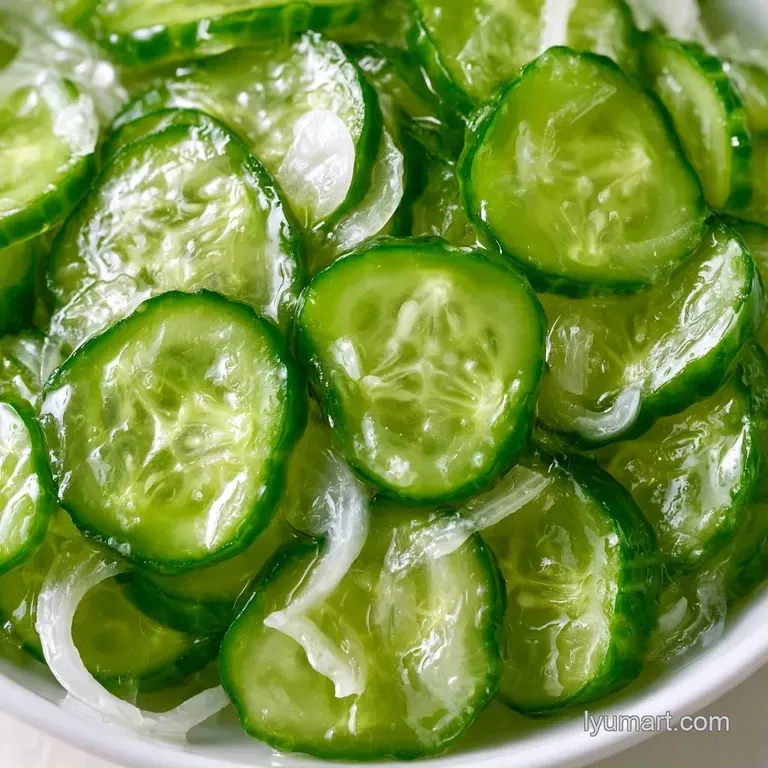
- Combine sliced cucumbers and onions in a large bowl.
- Toss the vegetables with 2 tbsp pickling salt and ice cubes. Note: Make sure every slice is coated in salt.
- Let the mixture sit for 30 minutes until the vegetables look limp and water has pooled at the bottom.
- Rinse the cucumbers and onions thoroughly under cold water and drain in a colander. Note: Rinsing removes the excess salt so they aren't too salty.
- Combine apple cider vinegar, granulated white sugar, 1 tbsp pickling salt, mustard seeds, celery seeds, and turmeric powder in a saucepan.
- Bring the mixture to a simmer over medium heat, stirring until the sugar is completely dissolved and the liquid is clear.
- Remove from heat and let the brine cool for 5 minutes.
- Divide the drained cucumbers and onions evenly between four sterilized pint sized glass jars.
- Pour the warm brine over the vegetables, ensuring they are completely submerged.
- Tap the jars gently on the counter to release trapped air bubbles.
- Seal the jars tightly, allow them to cool to room temperature, and then refrigerate for 24 hours before serving.
Fixing Common Issues
Even the best home cooks hit a snag now and then. Usually, the problem comes down to the salt soak or the temperature of the brine. If you skip the rinse, for example, your pickles will be salt bombs.
Fixing Mushy Slices
Mushiness usually happens if the cucumbers were too ripe or if the brine was boiling hot when it hit the vegetables. To prevent this, always let the brine cool for a few minutes. If they're already mushy, you can't reverse it, but you can use them as a relish.
Taming Too Much Sugar
If the brine tastes more like syrup than pickles, you've got a balance issue. You can fix this by adding a splash more apple cider vinegar to the jar. Just shake it up and let it sit for another few hours.
Clearing Up Brine
Cloudy brine usually comes from using table salt with anti caking agents. While it looks a bit off, it doesn't affect the taste. For the next batch of Homemade Bread and Butter Pickles, switch to pure pickling salt.
| Problem | Root Cause | Solution |
|---|---|---|
| Too salty | Poor rinsing | Rinse slices for 30 seconds |
| Dull color | Low turmeric | Add a pinch more to the brine |
| Soft texture | Boiling brine | Cool brine 5 mins before pouring |
Customizing the Flavor
Once you have the base down, you can start playing with the aromatics. I love adding a few slices of fresh jalapeño if I want a bit of a kick. It doesn't overpower the sweetness; it just adds a layer of complexity.
If you find this version too sweet, you can cut the sugar back to 3/4 cup. It'll be more "tangy" and less "bread and butter," but it still works. For those who prefer a more savory profile, try my Pickles with Fresh Dill recipe for a completely different experience.
You can also swap the apple cider vinegar for white wine vinegar. This gives the brine a slightly more sophisticated, less "punchy" acidity. Just keep the ratios the same to ensure the preservation holds.
Keeping Them Fresh
Since these are refrigerator pickles, they don't have the long shelf life of canned goods. Keep them in the coldest part of your fridge, not in the door where the temperature fluctuates. They'll stay crisp for about 3 weeks.
For zero waste, don't throw away the onion scraps from your slicing. Toss them into a freezer bag with other veggie peels. When the bag is full, boil them with water to make a quick vegetable stock for soups.
If you're looking for a version with a sharper, more acidic bite, you might prefer pickles with white vinegar. Just remember that these Homemade Bread and Butter Pickles rely on that specific cider vinegar sweetness.
Pickle Myths
A big misconception is that you have to use a water bath canner to make "real" pickles. While canning is great for long term storage, refrigerator pickles are often crispier because they aren't subjected to high heat.
Another myth is that you can use any cucumber from the garden. Garden cucumbers often have a bitter skin and a softer interior. Stick to the small, firm pickling varieties to avoid a mushy result.
Serving Suggestions
The best way to use Homemade Bread and Butter Pickles is on a toasted brioche bun with a juicy beef patty. The sweetness of the pickle cuts right through the richness of the meat and cheese.
They're also a fantastic addition to a charcuterie board. Pair them with a sharp cheddar, some salty salami, and a few grains of stone ground mustard. The contrast between the sweet pickles and salty meats is what makes the board work.
If you have leftovers, chop them up finely with a bit of extra onion and a squeeze of lemon. This makes a quick, zesty relish that's great on hot dogs or even mixed into a tuna salad for some extra brightness.
Recipe FAQs
What spices are used in bread and butter pickles?
Mustard seeds, celery seeds, and turmeric powder. These three ingredients provide the classic earthy flavor and signature golden yellow hue.
How are bread and butter pickles different from regular pickles?
They are sweet and tangy. While regular pickles are typically savory or salty, these use a balance of granulated white sugar and apple cider vinegar.
How to make sweet pickles without canning?
Use the refrigerator method. Pack the vegetables into sterilized jars, pour over the warm brine, and chill for 24 hours. These pair perfectly with toasted homemade burger buns.
How long does it take for the flavors to develop in the pickle?
A minimum of 24 hours. This chilling period allows the brine to fully penetrate the cucumber slices for the best taste and texture.
Can brine for refrigerator pickles be reused?
No, discard the brine. The liquid becomes diluted as the cucumbers release water, which reduces the acidity and can compromise food safety.
How to make the best bread and butter pickles with a crunch?
Soak sliced cucumbers in pickling salt and ice cubes for 30 minutes. This draws out excess moisture via osmosis, ensuring the final product stays snappy rather than mushy.
Is it true that refrigerator pickles can be stored at room temperature?
No, this is a common misconception. Since these are not heat processed in a canning bath, they must be stored in the refrigerator to prevent spoilage.
Homemade Bread And Butter Pickles