Authentic Kaddu Ki Sabzi Recipe

- Time: 10 min active + 15 min cooking
- Flavor/Texture Hook: Tangy, sweet, and glossy finish
- Perfect for: budget-friendly weeknight dinner
Easy Kaddu Ki Sabzi Recipe
That smell of mustard oil hitting its smoking point is where the magic starts. It's a sharp, pungent scent that tells you the pan is ready. I used to think pumpkin was just for autumn pies or maybe some kind of bland baby food, but that's a huge mistake.
When you treat it like a savory vegetable, it becomes something entirely different.
The real struggle with most pumpkin curries is the texture. I can't tell you how many times I've ended up with "pumpkin porridge" instead of a proper sabzi. It happens when you overcook the cubes or add too much water, turning the whole dish into a soggy, shapeless heap.
It's frustrating when you wanted a hearty side but got a puree.
This Kaddu Ki Sabzi Recipe fixes that. By using a specific searing technique and adding the salt at the very end, we keep the pumpkin cubes intact while the insides get buttery and soft. You get that classic "Khatta Meetha" (sour sweet) vibe that makes this dish a staple in North Indian homes.
Quick Recipe Specs
Let's start with a quick overview. This recipe is designed for speed, taking roughly 25 minutes to go from whole pumpkin to the dining table. It's an economical choice that doesn't require any specialized tools.
For the best outcome, opt for a yellow pumpkin; its texture is denser than the massive orange carving pumpkins common in autumn. To save time later, you can cube the pumpkin beforehand, but avoid soaking them in water, as this ruins the structural integrity of the vegetable.
| Goal | What to change |
|---|---|
| More Tangy | Add 1/2 tsp extra amchur |
| More Sweet | Increase jaggery by 1 tsp |
| Spicier Kick | Add one more slit chili |
Achieving a harmony of flavors is essential. If it tastes too sweet, a final squeeze of lime can balance it. If the flavor is too sharp, a tiny bit more jaggery will soften it.
Essential Ingredients
The beauty of this dish is in the simplicity. You don't need a long list of spices, just a few key players that do the heavy lifting. The mustard oil is non negotiable here. It provides a depth that vegetable oil just can't touch.
When picking your pumpkin, look for one that feels heavy for its size. That usually means it's packed with flavor and not too airy. Peel it thick enough to get rid of the tough outer skin, but leave enough so the cubes don't fall apart in the pan.
| Component | Purpose | Substitute Notes |
|---|---|---|
| Yellow Pumpkin | Main base | Butternut squash works, but is sweeter |
| Mustard Oil | Sharp baseline | Grapeseed oil (lacks the pungent kick) |
| Amchur | Tangy acidity | Lemon juice (add at the very end) |
| Jaggery | Balanced sweetness | Brown sugar or honey (changes texture slightly) |
The amchur is what gives this a truly traditional feel. It's concentrated mango powder that provides a dry, sharp acidity. If you've tried other savory pumpkin dishes and felt they were too "flat," the amchur is likely what was missing.
For those who prefer a lighter touch, you can swap the jaggery for a bit of honey, though jaggery gives it that deep, earthy sweetness that defines a North Indian Kaddu Ki Sabzi Recipe.
The full list of what you'll need:
- 1 lb (450g) yellow pumpkin, peeled and cubed into ½ inch pieces
- 2 tbsp (30ml) mustard oilWhy this? Adds a traditional pungent depth
- ½ tsp (3g) cumin seeds
- ¼ tsp (1g) asafoetida (hing)
- 1 medium (50g) onion, finely diced
- 1 tbsp (15g) ginger garlic paste
- 2 medium (10g) green chilies, slit lengthwise
- ½ tsp (3g) turmeric powder
- 1 tsp (5g) red chili powder
- 1 tsp (5g) dry mango powder (amchur)Why this? Essential for the signature tang
- 1 tbsp (15g) jaggeryWhy this? Cuts through the acidity
- ½ tsp (3g) garam masala
- ¾ tsp (4g) salt
- 1 tbsp (15ml) water
The Necessary Tools
You only need a few basic tools for this recipe. One heavy-bottomed pan does all the work. I recommend using a stainless steel kadai or a cast iron skillet; their ability to distribute heat evenly prevents the pumpkin from sticking while it sears.
A sharp knife is essential for prepping the pumpkin. Cutting uniform ½ inch cubes ensures everything cooks consistently. If the sizes vary too much, the smaller pieces will break down into a mush while the larger ones remain undercooked.
Lastly, make sure you have a tight-fitting lid. This traps the steam during the softening stage, allowing the pumpkin to cook through without adding excessive water. This method preserves the concentrated flavors and keeps the texture firm.
Step by step Method
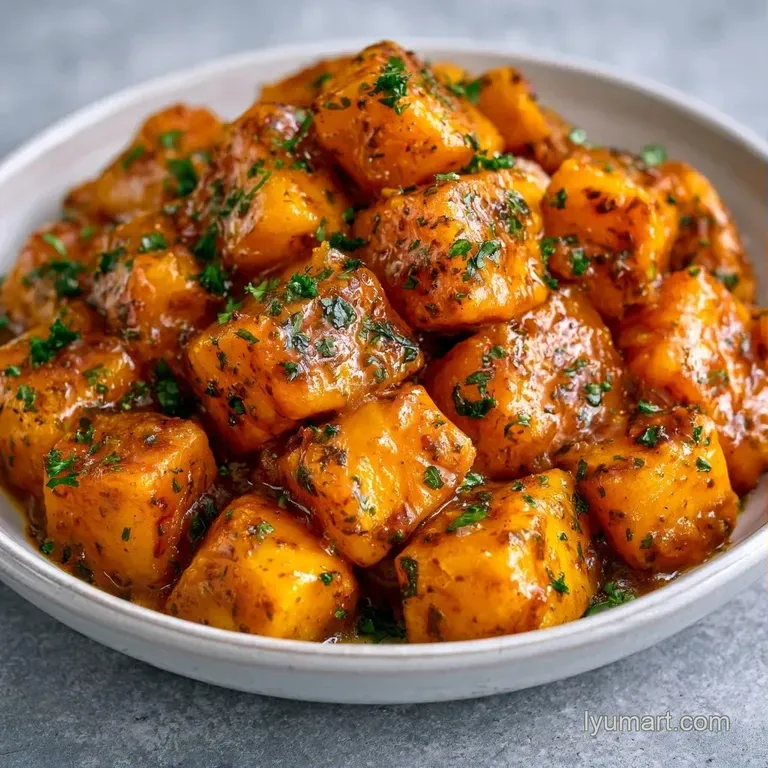
Now, let's dive into the preparation. The process focuses on building layers of taste, moving from the sharp aroma of the oil to a sweet and sour finish.
1. The Searing Phase
Warm the mustard oil in your pan. Wait for it to reach its smoking point, where light wisps of smoke appear, then immediately reduce the heat. Add the asafoetida and cumin seeds, letting them sizzle for about 30 seconds until they become fragrant.
Stir in the diced onions and sauté until they are translucent and slightly golden.
2. Building the Flavor Profile
Add the slit green chilies and ginger garlic paste. Cook these for 1-2 minutes until the raw, pungent scent of the garlic mellows out. Quickly stir in the red chili powder and turmeric; work fast, as these spices can burn in seconds if the pan is too hot.
3. Softening the Pumpkin
Add the pumpkin cubes to the pan. Stir-fry on medium heat for 3-5 minutes, ensuring every piece is thoroughly coated in the red-yellow spice blend. Cover the pan with a lid and lower the heat to low-medium for 8-10 minutes.
Test it with a fork; the pumpkin should be tender but still hold its shape. If it turns mushy, it has been overcooked.
4. The Final Glaze
Remove the lid. This is the most critical stage of the Kaddu Ki Sabzi Recipe. Stir in the jaggery, dry mango powder, and salt. Cook gently for 2 minutes. The melting jaggery will combine with the pumpkin's natural moisture to create a glossy, rich glaze that clings to the cubes.
Finish by sprinkling garam masala over the top and turn off the heat immediately.
Chef's Note: Avoid adding the salt at the start. Salt draws moisture out of vegetables, so adding it at the end helps the pumpkin maintain its structure and prevents the "mush" effect.
Why The Flavor Works
The magic of this Kaddu Ki Sabzi Recipe isn't about complex techniques, but about how different tastes fight and then settle. It's a balance of pungent, sour, and sweet.
The Mustard Oil Punch: Mustard oil has a sharp, peppery quality. This cuts through the natural creaminess and sweetness of the pumpkin, ensuring the dish doesn't taste like a dessert.
The Acid Sugar Pivot: The amchur (mango powder) provides a sharp acid, while the jaggery provides a deep sugar. When these two hit the tongue, they create a contrast that makes the flavor feel "three dimensional" rather than one note.
Steam Cooking Method: By using a lid and very little water, we use the pumpkin's own internal moisture to cook it. This preserves the vitamins and keeps the flavor intense.
If you enjoy this kind of tangy profile, you might also like my homemade dill pickles, which use a similar balance of acidity and salt.
Solving Texture Problems
Even simple recipes can encounter hurdles. A frequent challenge is the pumpkin's moisture content; if the pumpkin is too watery, the dish may turn into a jam.
If the flavor feels too sharp, don't worry. Simply stir in a small amount of extra jaggery or a pinch of sugar. Conversely, if it tastes too sweet, a squeeze of fresh lime juice will restore the balance.
Be mindful of the spices burning. If you notice the red chili powder turning dark brown or smelling acrid, immediately add a tablespoon of water to cool the pan and stop the scorching.
| Problem | Root Cause | Solution |
|---|---|---|
| Pumpkin is mushy | Overcooked or excessive water | Use larger cubes and avoid adding water |
| Taste is too sour | Too much amchur powder | Add 1 tsp extra jaggery or honey |
| Spices taste raw | Ginger garlic paste undercooked | Sauté aromatics for another 2 mins |
| Dish is too dry | Heat was too high/no lid | Add 1 tbsp water and cover for 2 mins |
To explore more ways to add tanginess to your meals, you can try these quick homemade pickles as a side.
Keeping Leftovers Fresh
The flavor of this Kaddu Ki Sabzi deepens overnight. This allows the pumpkin to fully soak up the spiced glaze and the tastes to meld.
Keep leftovers in an airtight glass container in the refrigerator for as long as 4 days. Freezing isn't suggested here, as the pumpkin's cellular structure collapses during the freeze-thaw process, almost certainly resulting in a mushy texture upon reheating.
Stovetop heating is preferable to using a microwave. Warm the sabzi in a small skillet over low heat with a teaspoon of water to restore that glossy finish without overcooking the vegetables.
To minimize waste, save the pumpkin seeds! After cleaning them, toss them with a pinch of salt and oil, then roast them at 325°F for 15 minutes for a wonderful crunchy snack.
Other Taste Options
Once you've got the basic Kaddu Ki Sabzi Recipe down, you can play around with the ingredients to change the vibe.
The Green Kaddu Recipe
You can use a green pumpkin or a bottle gourd (lauki) with this exact same spice profile. The green pumpkin is slightly less sweet, so you might want to increase the jaggery by a half teaspoon to maintain that balance.
The Vegan Swap
This recipe is already naturally vegan. However, if you want a richer, creamier version, you can stir in a tablespoon of cashew paste during the final glaze step. This gives it a luxurious, rich feel without using dairy.
The "Bhandara" Style
In traditional community feasts (Bhandaras), this is often made without onion and garlic. Simply skip the diced onion and ginger garlic paste. Increase the amount of asafoetida (hing) to a half teaspoon to make up for the lost savory depth.
What To Serve
This is a versatile side dish, but it really shines when paired with something neutral that can soak up that tangy glaze.
The absolute best pairing is hot, fluffy puris or parathas. The fried, crispy texture of the puri contrasts beautifully with the soft, velvety interior of the pumpkin. If you're looking for a healthier option, steamed basmati rice or a simple jeera rice works perfectly.
I also love serving this alongside a bowl of plain yogurt or a cooling raita. The cold, creamy yogurt balances the heat from the green chilies and the sharp tang of the amchur.
Finally, a side of fresh sliced onions and a wedge of lime on the plate adds a crisp freshness that cuts through the richness of the mustard oil. This makes the meal feel complete and balanced.
Recipe FAQs
What is kaddu ki sabzi called in English?
It translates to Pumpkin Sabzi or Pumpkin Curry. "Kaddu" is the Hindi word for pumpkin, and "sabzi" refers to a seasoned vegetable dish.
How to make pumpkin sabzi at home?
Sauté cumin and asafoetida in mustard oil before adding onions, ginger-garlic paste, and spices. Simmer the pumpkin cubes for 8-10 minutes and finish with jaggery and amchur for a glossy glaze.
Which pumpkin variety is best for this recipe?
Yellow pumpkin is the ideal choice. It maintains its structural integrity during cooking, ensuring the cubes stay distinct rather than turning into a puree.
Is pumpkin sabzi considered healthy?
Yes, it is very nutritious. Pumpkin is rich in vitamins and antioxidants, while ingredients like ginger and garlic provide natural anti-inflammatory benefits.
Can I use a neutral oil instead of mustard oil?
Yes, any neutral cooking oil works. If you enjoy the sweet-tart flavor profile here, you will find we use a similar balancing technique in our sour cherry sauce.
Is it true that the pumpkin must be peeled to cook through?
Actually, no. Many pumpkin skins soften completely during the simmering process, though peeling is recommended here for a more refined texture.
Kaddu Ki Sabzi Recipe in 30 Minutes