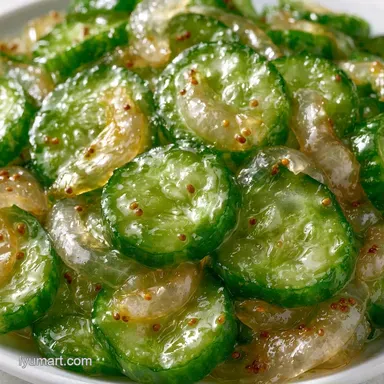
Crunchy Mustard Seed Pickles
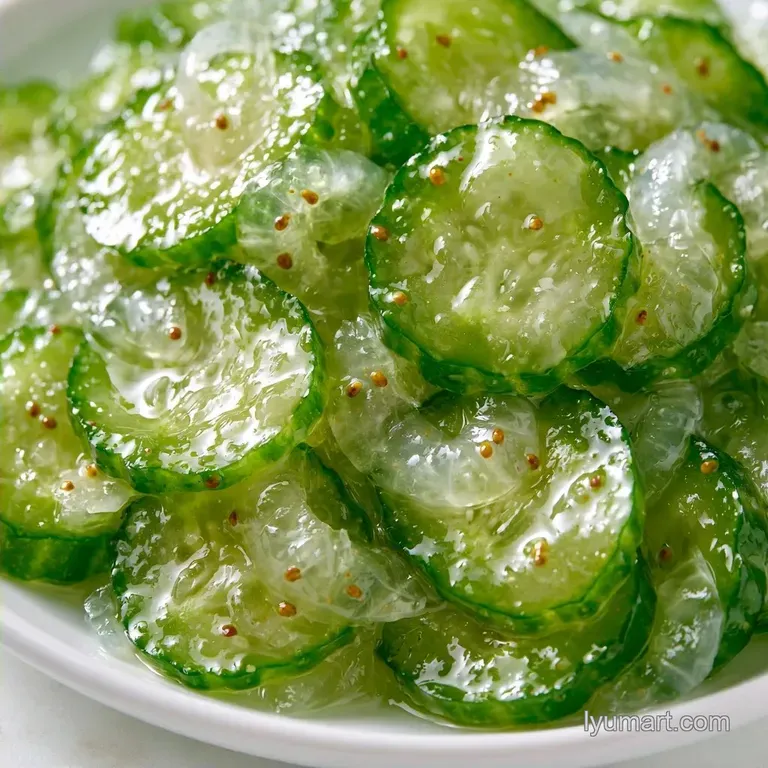
- Time: 15 min hands-on + 24 hours in the fridge
- Flavor/Texture Hook: Zesty, acidic, and an incredible crunch
- Perfect for: Topping burgers, classic deli subs, or eating as a snack
Have you ever noticed how some professional deli pickles have a vibrant golden hue and a bold, spicy kick that wakes up your palate? The secret isn't simply the vinegar; it's the specific, aromatic heat that mustard seeds provide when treated correctly.
After a summer of trial and error, I discovered why my homemade batches felt one-dimensional compared to store-bought jars. I had been adding raw seeds to cold brine. The real magic happens during the simmer, which unlocks the seeds' natural oils and transforms the entire profile of the pickle.
These Mustard Seed Pickles don't require complex skills. They simply pair a crisp Kirby cucumber with a brine that has a bold punch. You'll achieve a taste reminiscent of long-term cellar aging, despite only spending a few minutes on the actual preparation.
Crunchy Mustard Seed Pickles
Seed Activation: Simmering the brine wakes up the mustard seeds, releasing oils that create a pungent, savory base.
Cucumber Choice: Using Kirby cucumbers provides a denser cell structure, which prevents them from turning mushy when the hot brine hits.
Tools You'll Need
Basic kitchen gear is all that's required. The primary tools are two quart-sized glass jars and a medium saucepan for the brine. To prevent any issues during the 24 hour soak, I suggest sterilizing your jars first.
To keep your 1/4 inch rounds consistent, use a mandoline or a sharp knife. If the thickness varies, you'll end up with a mix of soft and raw slices. A slotted spoon also comes in handy for positioning the garlic against the glass without bruising the cucumbers.
Why These Ingredients Work
The balance here is all about acidity and earthy notes. The white vinegar provides the sharp punch, while the turmeric gives that classic golden color we associate with deli pickles.
| Ingredient | What It Does | Best Swap |
|---|---|---|
| Kirby Cucumbers | Provides the "snap" | Persian Cucumbers (thinner skin) |
| Yellow Mustard Seeds | Adds pungent warmth | Brown Mustard Seeds (stronger heat) |
| Distilled White Vinegar | Preserves and tangs | Apple Cider Vinegar (milder, fruitier) |
| Turmeric Powder | Adds golden color | Omit (pickles will be pale green) |
The Ingredient List
Gather your ingredients first. Prepping everything beforehand ensures the pickling process goes seamlessly.
- 2 lbs Kirby or Persian cucumbers, cut into 1/4 inch coins Why this? Their high pectin levels ensure a crisp bite
- 1 medium white onion, sliced thin Why this? Provides a pungent, savory balance
- 4 cloves garlic, crushed Why this? Crushing them maximizes allicin release
- 2 cups distilled white vinegar Why this? Provides a crisp, bright acidity
- 1 cup distilled water Why this? Tones down the intensity of the vinegar
- 1/3 cup cane sugar Why this? Tempers the acidity without tasting sugary
- 2 tbsp pickling salt Why this? Avoids additives that can make the liquid cloudy
- 3 tbsp yellow mustard seeds Why this? The main source of flavor
- 1 tsp mustard powder Why this? Creates a more uniform mustard profile
- 1 tsp celery seeds Why this? Adds a traditional herbal depth
- 1/2 tsp turmeric powder Why this? Gives the pickles their signature golden color
Bringing It Together
Let's get started. The key is to pack the vegetables densely so they stay submerged once the liquid is added.
Phase 1: Preparing the Jars
- Fill sterilized quart jars with the sliced cucumbers and onions.
- Tuck the crushed garlic cloves against the interior walls of the jars. Note: Positioning them at the edges prevents them from clumping in the center
- Press the vegetables down firmly until they are tightly packed. If there is too much gap, the cucumbers may float, leaving the tops raw.
Phase 2: Crafting the Mustard Brine
- In a saucepan, mix together the distilled white vinegar, water, cane sugar, and pickling salt.
- Stir in the mustard seeds, mustard powder, celery seeds, and turmeric.
- Heat the liquid until it reaches a vigorous boil over medium high heat.
- Turn down the heat and simmer for 10 minutes until the brine smells nutty and pungent. Per Serious Eats, heating aromatics within vinegar allows for a more effective extraction of fat-soluble flavors.
Phase 3: The Final Seal
- Pour the hot brine over the packed vegetables. Note: Leave about 1/2 inch of headspace at the top
- Seal the jars using the lids and rings.
- Refrigerate for 24 hours until the cucumbers have absorbed the brine.
Chef's Note: For those short on time, these are edible after 4 hours, though the mustard flavor needs a full day to fully penetrate the cucumber's core.
Common Mistakes & Troubleshooting
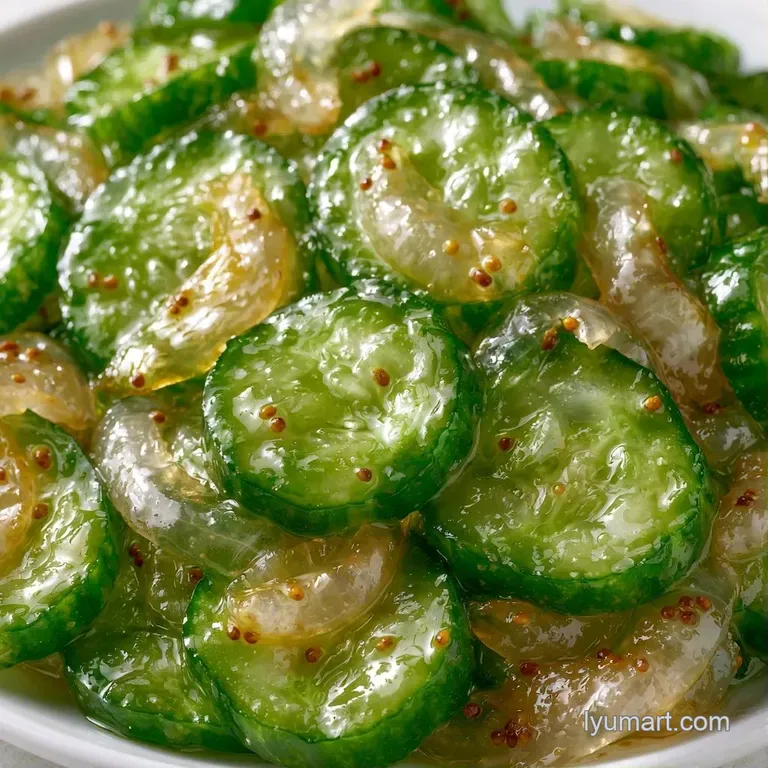
Worried about a soft texture? We'll address that. Most Mustard Seed Pickle mishaps occur during the preparation of the vegetables or while they are cooling.
Solving Texture Issues
A mushy result often stems from using English cucumbers. While perfect for salads, their high water content doesn't hold up well in hot brine. Opt for Persian or Kirby varieties instead. Additionally, avoid boiling the brine too long, otherwise you'll essentially "cook" the cucumbers instantly upon contact.
Clearing Up the Brine
If your liquid appears milky, the salt is likely the culprit. Many table salts contain anti-caking agents that react poorly with vinegar. To ensure the liquid remains transparent, stick to kosher salt or pure pickling salt.
Balancing Harsh Flavors
An overly aggressive vinegar taste usually indicates the sugar didn't fully dissolve or the brine was added too quickly. Give the jars an extra 12 hours. This allows the salt and sugar to penetrate the vegetable cells and balance the flavor.
| Problem | Root Cause | Solution |
|---|---|---|
| Soft pickles | Wrong cucumber type | Use Kirby or Persian varieties |
| Cloudy liquid | Iodized table salt | Switch to pickling or kosher salt |
| Too sour | Insufficient chilling time | Refrigerate for an extra 12-24 hours |
Keeping It Fresh
Because these are refrigerator pickles, there's no need to navigate the complexities of water bath canning. They will stay crisp and fresh in the fridge for up to 4 weeks. Be sure to store them in the coldest area of the refrigerator, avoiding the door.
The remaining brine is far too useful to waste since it's essentially a seasoned vinaigrette. I often use it to marinate chicken breasts for 2 hours before grilling, or I whisk it with a touch of olive oil for a quick potato salad dressing.
Any leftover onion scraps from the preparation can be added to your next pot of veggie stock.
Flavor Variations to Try
If you want to pivot from the classic style, you can tweak the aromatics. For a spicier version, add a sliced habanero or a teaspoon of red pepper flakes to the brine. This pairs well with a heavy dose of garlic.
For those who like a sweeter profile, you can swap the cane sugar for brown sugar. This gives the Mustard Seed Pickles a deeper, molasses like undertone. If you're craving something more herbal, you can follow a homemade pickles recipe and just add the mustard seed element to it.
Another option is the "Mustard Caviar" style. To do this, use only Persian cucumbers and double the mustard seeds. The seeds cling to the thin slices, creating a textured, popping sensation in every bite. If you prefer a faster version, my refrigerator dill pickles are a great alternative for when you don't have 24 hours to wait.
Perfect Complements
These pickles aren't just side dishes; they're flavor accents. They cut through the richness of fatty meats. I always serve them alongside a juicy brisket or a grilled cheese sandwich made with sharp cheddar.
| Goal | What to change |
|---|---|
| Extra Crunch | Add a grape leaf to each jar |
| More Heat | Add 1 tsp red pepper flakes |
| Milder Tang | Replace 1/2 cup vinegar with water |
The saltiness makes them a great addition to a charcuterie board. Pair them with a creamy brie or a sharp manchego. The acidity of the Mustard Seed Pickles cleanses the palate between different cheeses.
The Sandwich Topper
Put a few slices on a Reuben or a classic turkey club. The mustard notes enhance the cured meats without needing extra condiments.
A Salty Snack
Honestly, just eating them straight from the jar is the way to go. They're satisfying, humble, and have that classic comfort feel of a grandmother's kitchen.
Common Myths
Some people think you have to boil the cucumbers to make them last. That's not true for refrigerator pickles. The vinegar and salt do the heavy lifting. Boiling the veg actually destroys the crunch.
Another myth is that you need a special "pickling" vinegar. While some brands are marketed that way, any distilled white vinegar with 5% acidity works just fine. The "special" part is how you treat the spices, not the brand of vinegar.
Scaling Your Batch
If you are preparing a large quantity for a gathering, avoid simply multiplying all ingredients.
Scaling Up (3x-4x): Limit the increase of salt and spices to roughly 2.5x or 3x instead of 4x. Excessive seasoning in large volumes can overpower the vegetables. When boiling the brine, work in smaller batches to reach a rolling boil more efficiently.
Scaling Down (1/2): Opt for a smaller saucepan to prevent too much liquid from boiling off during the 10 minute simmer. If swapping a quart jar for a single pint, cut the chilling time down to 18 hours.
And there you have it. These Mustard Seed Pickles are a wonderful addition to any pantry. While the chilling process requires a bit of patience, the outcome is a traditional, crisp condiment that far surpasses store-bought versions.
Believe me, once you experience the depth of a simmered brine, you'll never go back to raw seeds.
High in Sodium
825 mg 825 mg of sodium per serving (36% 36% of daily value)
The American Heart Association recommends a daily limit of no more than 2,300 mg of sodium, with an ideal limit of 1,500 mg for most adults.
Tips to Reduce Sodium in Your Pickles
-
Reduce Pickling Salt-30%
Cut the pickling salt amount by half or use 1 tablespoon instead of 2 to drastically lower the sodium content.
-
Use Salt Substitutes-25%
Replace a portion of the salt with a potassium-based salt substitute to maintain the briny taste with less sodium.
-
Increase Acidity-15%
Slightly increase the white vinegar or add a squeeze of fresh lemon juice to enhance the tanginess and compensate for less salt.
-
Boost Flavor Aromatics
Add extra mustard seeds, celery seeds, or a pinch of crushed red pepper to provide a bold flavor profile without adding sodium.
Recipe FAQs
What does mustard seed do to pickles?
It adds a pungent, tangy flavor and a characteristic pop of texture. Simmering the brine for 10 minutes extracts these essential oils for a deeper taste.
How much mustard seed should I add?
Use 3 tablespoons of yellow mustard seeds. This amount balances the vinegar and sugar without overpowering the cucumber.
Which vinegar is best for refrigerator pickles?
Distilled white vinegar is the best choice. It provides a clean, sharp acidity that allows the mustard and turmeric flavors to shine.
Should homemade pickles be refrigerated?
Yes, these must stay in the refrigerator. If you enjoyed the crisp texture here, apply that same approach to our homemade coleslaw.
Is it true that freezing homemade pickles extends their shelf life?
No, and here's why. Freezing breaks down the cucumber's cell walls, resulting in a mushy texture once thawed.
How to turn these pickles into a relish?
Finely chop the sliced cucumbers and onions. Stir in a splash of white vinegar to keep the mixture moist.
Mustard Seed Pickles in 30 Minutes