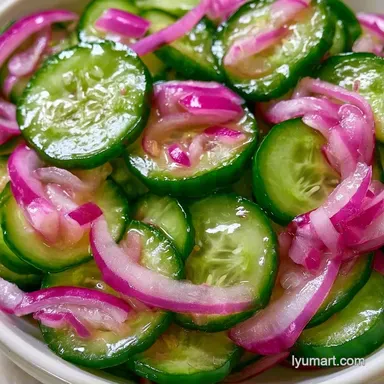
Vinegar Pickled Cucumbers: Sharp and Snappy
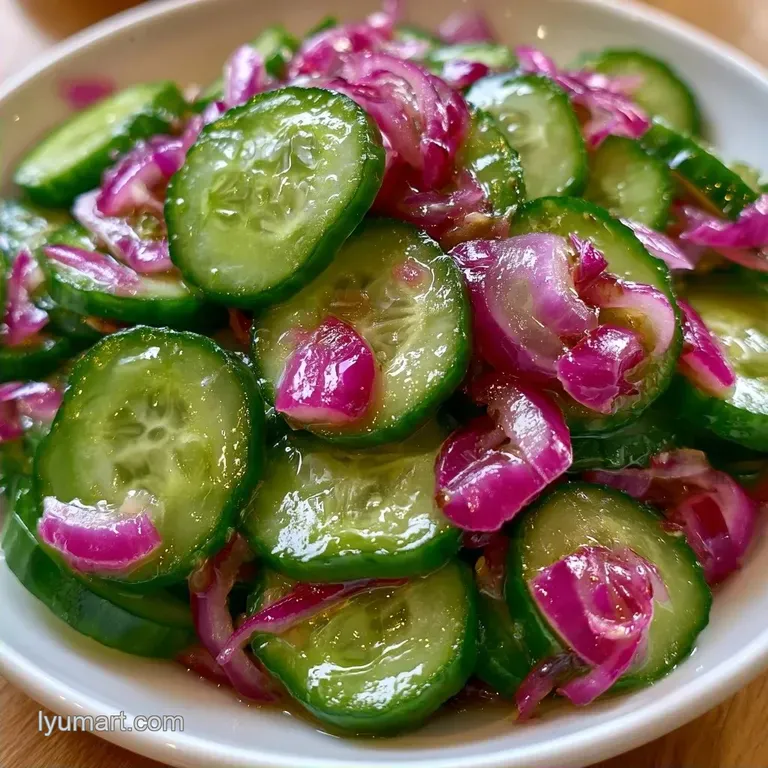
- Time: 30 min active + 2 hrs chilling
- Flavor/Texture Hook: Sharp, vinegary snap with a garlic punch
- Perfect for: Burger toppings, deli boards, or a tangy snack
- Easy and Crunchy Pickled Cucumbers
- Techniques for Maximum Crunch
- What Each Ingredient Does
- Gear You Will Need
- The Step by Step Process
- Fixing Common Pickle Problems
- Troubleshooting Common Issues
- Adjusting Your Batch Size
- Truth About Pickling Myths
- Storage and Zero Waste
- The Best Food Pairings
- Recipe FAQs
- 📝 Recipe Card
Ever wonder why some store-bought pickles feel like eating a wet sponge? It's a frustrating experience, especially when you're craving that loud, satisfying crunch. I used to think it was the brand, but it turns out it's actually about how the water in the vegetable is handled. According to USDA FoodData, cucumbers are mostly water, and if you don't manage that moisture, your brine just becomes diluted.
I learned this the hard way a few years ago. I just tossed sliced cucumbers in some vinegar and sugar, thinking I was being efficient. Two days later, I had these limp, sad things that felt like wet cardboard. I almost gave up on homemade versions until I realized the one step I was skipping: the salt sweat.
Now, these Pickled Cucumbers are a staple in my fridge. They're not those overly sweet, neon colored things you see in jars at the supermarket. They're bright, tangy, and actually taste like fresh garden produce. Trust me on this, once you try the sweating method, you'll never go back to the "dump and stir" approach.
Easy and Crunchy Pickled Cucumbers
The trick to getting that commercial grade snap is actually a bit of simple physics. Most people just pour brine over raw vegetables, but the water inside the cucumber pushes the flavor out. By salting them first, we force the water out, which creates room for the vinegar and garlic to move in.
This process makes a huge difference in how the Pickled Cucumbers hold up over a week in the fridge. If you skip the rinse, they'll be salt bombs, but if you skip the sweat, they'll be mush. It's a delicate balance that takes about 30 minutes of waiting, but the result is a totally different snack.
I've found that using Persian cucumbers works best because they have thinner skins and smaller seeds. English cucumbers are a great second choice. Just avoid the thick skinned slicing cucumbers unless you're prepared to spend ten minutes peeling them, which is just not worth the effort.
Techniques for Maximum Crunch
Getting the texture right is the only part of this recipe that actually matters. If the flavor is a bit too tangy, you can eat it with a sandwich. If it's mushy, it's just sad.
The Salt Sweat: Salt pulls water out of the cell walls so the brine can penetrate deeper. This keeps the texture snappy instead of soft.
The Boiling Brine: Heating the liquid ensures the sugar and sea salt dissolve completely. Pouring it in while hot helps the cucumbers absorb the flavor faster during the cooling phase.
| Method | Time | Texture | Best For |
|---|---|---|---|
| Quick Cold | 1 hour | Softer | Immediate snacking |
| Classic Hot | 3 hours | Very Crisp | Long term fridge storage |
What Each Ingredient Does
I don't use a lot of fancy stuff here. I keep it humble and classic. Each item has a job to do, and if you remove one, you'll notice the balance shift.
| Ingredient | What It Does | Best Swap |
|---|---|---|
| White Distilled Vinegar | Provides the sharp acid and preservation | Apple Cider Vinegar (milder, fruitier) |
| Kosher Salt | Draws out moisture during the sweat | Sea salt (use slightly less) |
| Granulated Sugar | Balances the harshness of the vinegar | Honey or Maple Syrup |
| Garlic Cloves | Adds a pungent, savory depth | Garlic powder (use 1/2 tsp) |
For the vinegar, I usually stick to distilled because it's neutral. If you use something like rice vinegar, you'll need to add more salt since it's naturally sweeter and less acidic, which is something Serious Eats often highlights when discussing brine pH levels.
Gear You Will Need
You don't need a professional kitchen for this. I just use my basic home gear.
- Two pint sized glass jars with tight lids (Mason jars are the classic choice)
- A medium saucepan for the brine
- A colander to let the cucumbers drain
- A sharp knife or a mandoline for those perfectly thin slices
- Paper towels for drying the veg
The step by step Process
Let's crack on. This flow is designed to keep you from standing around the stove for too long.
Phase 1: The Prep
- Slice 450g (1 lb) of cucumbers thinly.
- Toss the slices in a colander with 1 tbsp Kosher salt.
- Let them sit for 30 minutes until they look limp and watery. Note: This is the "sweating" phase that ensures the crunch.
- Rinse the cucumbers thoroughly under cold water.
- Pat them dry with paper towels until no surface moisture remains.
Phase 2: The Brine
- Combine 1 cup white distilled vinegar, 1/2 cup water, 2 tbsp sugar, 1 tbsp sea salt, and 1 tsp peppercorns in a saucepan.
- Bring the mixture to a rolling boil over medium high heat.
- Stir until the sugar and salt have completely vanished into the liquid.
- Add 2 smashed garlic cloves for the last 60 seconds of boiling.
Phase 3: The Jarring
- Pack the dried cucumbers and 1/2 sliced red onion tightly into the jars.
- Pour the boiling brine over the Pickled Cucumbers until they are fully submerged.
- Seal the lids and let them cool on the counter for 30 minutes.
- Refrigerate for 2 hours until the jars feel cold to the touch.
Fixing Common Pickle Problems
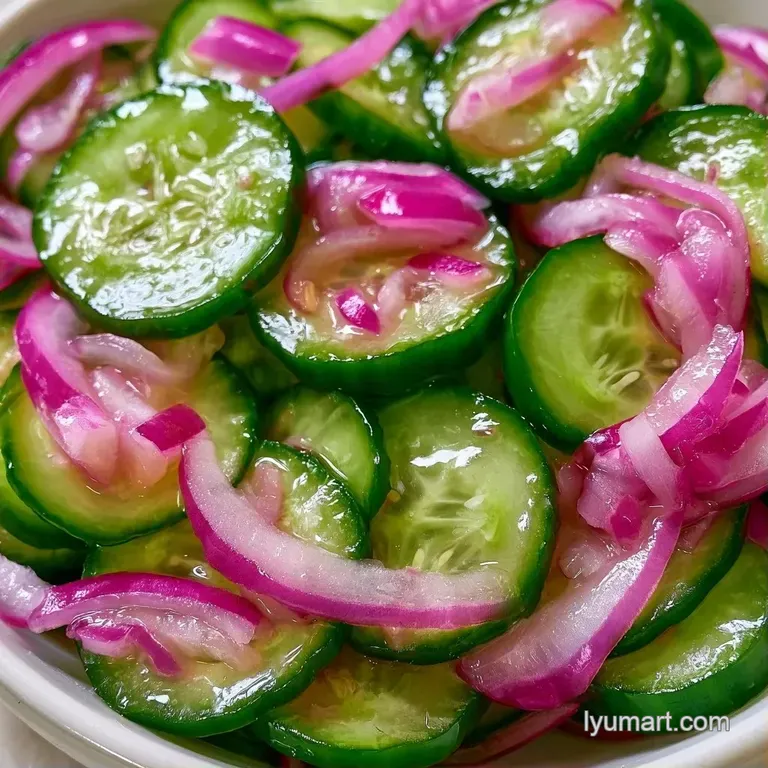
Even with a simple recipe, things can go sideways. Usually, it's a matter of the cucumber variety or the temperature of the brine.
Troubleshooting Common Issues
| Issue | Solution |
|---|---|
| Why Your Pickles Are Soft | This usually happens because the "sweat" was skipped or the cucumbers weren't dried well enough. |
| Why the Brine Looks Cloudy | Cloudy brine often comes from using tap water with high mineral content or not rinsing the salt off properly. It doesn't actually affect the taste, but it looks a bit weird. |
| Why They Taste Too Salty | If you didn't rinse the Kosher salt off thoroughly after the first 30 minutes, that salt stays on the veg and adds to the brine. |
Adjusting Your Batch Size
If you're making these for a crowd or just for yourself, you can shift the numbers. But be careful with the seasonings.
Scaling Down (Half Batch): Use a smaller saucepan so the brine doesn't evaporate too quickly. I suggest using one pint jar. Reduce the cooking time by about 2 minutes since there's less liquid to heat up.
Scaling Up (Double/Triple Batch): Don't just triple the salt and peppercorns. I've found that salt and spices only need to be increased to about 1.5x or 2x for a triple batch, or they'll overpower the veg.
Work in batches when packing the jars to ensure the brine is still hot when it hits the cucumbers.
Decision Shortcut:
- If you want a spicy kick, add a pinch of red pepper flakes to the brine.
- If you want a sweeter profile, increase the sugar to 3 tbsp.
- If you're in a rush, slice the cucumbers paper thin so they pickle in 30 minutes.
Truth About Pickling Myths
There are a lot of old wives' tales about Pickled Cucumbers that just aren't true.
One big one is that you need a specialized canning pot for refrigerator pickles. You absolutely don't. Since these stay in the fridge, you don't need to create a vacuum seal through boiling water baths.
Another myth is that you have to peel the cucumbers to get them to stay crisp. In reality, the skin provides structural support. Peeling them actually makes them more likely to turn mushy.
Storage and Zero Waste
These Pickled Cucumbers stay great in the fridge for about 3 to 4 weeks. Just make sure you use a clean fork to pull them out so you don't introduce bacteria into the jar.
If you have leftover brine, don't pour it down the drain. It's basically a seasoned vinegar. I use it as a marinade for grilled chicken or as a splash in a potato salad to give it some zing. If you're feeling adventurous, try this same method with other Pickled Vegetables like carrots or cauliflower.
The Best Food Pairings
Because these are so sharp, they cut through heavy, fatty foods perfectly. I love serving them alongside a big burger or a platter of deli meats.
If you want a full meal, these are a natural fit for Chicken Shawarma. The creamy garlic sauce of the shawarma balances the acidity of the Pickled Cucumbers beautifully. You could also toss them into a wrap or serve them as a side to some roasted potatoes. Just keep them cold right up until the moment you serve them for that maximum temperature contrast.
Recipe FAQs
Do homemade dill pickles in vinegar need to be refrigerated?
Yes, these must stay chilled. Because they are not processed in a water bath canner, refrigeration is required to keep them safe and crisp.
How to make homemade pickles with white vinegar?
Combine white distilled vinegar, water, sugar, sea salt, and peppercorns in a saucepan. Bring the mixture to a rolling boil, add smashed garlic for the final 60 seconds, and pour the hot brine over salted, rinsed cucumbers.
How long does it take for the flavors to develop in the pickle?
At least 2 hours. While they are edible immediately, this chilling period is essential for the flavors to meld and the texture to firm up.
Can brine for refrigerator pickles be reused?
Yes, use it as a seasoned vinegar. It makes an excellent marinade for grilled chicken. If you enjoyed balancing the acidity here, see how that same principle works in our beef bowl.
Can white wine vinegar be used for pickling?
Stick to white distilled vinegar. This specific recipe relies on the sharp, neutral profile of distilled vinegar to achieve the classic pickled taste.
Can you pickle with just vinegar?
No, this is a common misconception. Use a brine of vinegar and water to balance the acidity and preserve the cucumber's texture.
How to make sweet pickles without canning?
Dissolve 2 tbsp of granulated sugar into the boiling brine. Pour the hot liquid over the cucumbers and store them directly in the refrigerator to avoid the canning process.
Vinegar Pickled Cucumbers