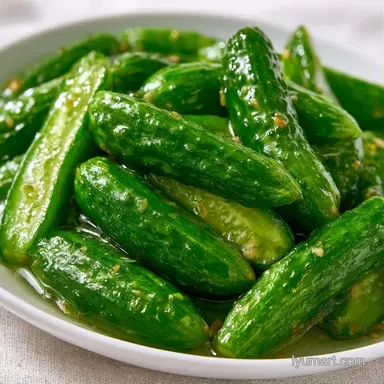
White Vinegar Dill Pickles: Extra Crispy
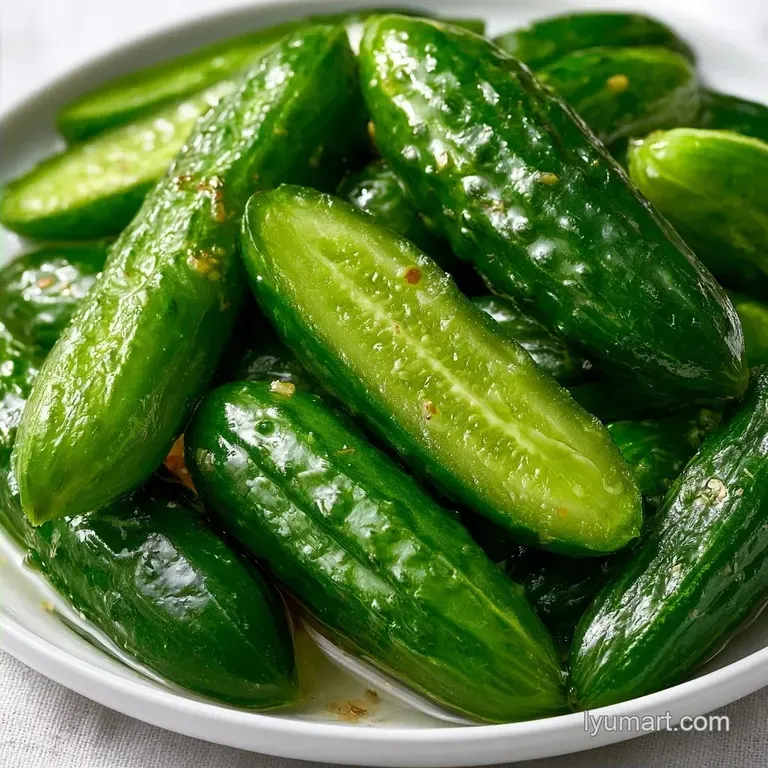
- Time: 20 min active + 24 hours chilling
- Flavor/Texture Hook: Sharp, vinegary snap with a garlic punch
- Perfect for: Summer BBQs, deli style sandwiches, or a salty snack
- Making Crisp Homemade Dill Pickles
- Why These Pickles Work
- What Ingredients Actually Do
- Gear For The Job
- Step By Step Process
- Troubleshooting Common Issues
- Customizing Your Brine
- Scaling Your Batch
- Pickle Myths
- Keeping Your Jars Fresh
- Serving and Plating
- Critical Sodium Level
- Recipe FAQs
- 📝 Recipe Card
Making Crisp Homemade Dill Pickles
That sharp, vinegary scent hits you the second you open the jar. I remember the first time I tried making these for a family reunion. Everyone expected the standard soggy slices from a plastic tub, but these had a genuine snap that actually made people ask for the recipe.
It's all about the prep. Most people just throw cucumbers in vinegar and hope for the best, but that's how you get soft pickles. We're going to do this right.
You can expect a bright, tangy result that balances salt and acidity. These Dill Pickles aren't overly sweet, keeping that classic deli profile that cuts through a rich burger or a salty platter of meats.
Why These Pickles Work
Salt Cure: Letting the cucumbers sit in salt for 30 minutes pulls out excess moisture. This makes the cell walls tighter, so they stay crispy when the hot brine hits.
Vinegar Ratio: Using a 5% acidity white vinegar ensures the brine is acidic enough to keep things fresh in the fridge.
Aromatic Infusion: Smashed garlic releases more oils than sliced garlic, giving the brine a deeper punch.
| Cucumber Type | Texture | Best Use | Result |
|---|---|---|---|
| Kirby/Persian | Firm/Crunchy | Pickling | Crisp snap |
| English | Soft/Watery | Salads | Often mushy |
| Slicing | Medium | Quick snacks | Moderate crunch |
What Ingredients Actually Do
| Ingredient | What It Does | Best Swap |
|---|---|---|
| White Vinegar | Provides the tang and preservation | Apple Cider Vinegar (milder flavor) |
| Kosher Salt | Draws out water for crunch | Sea salt (avoid table salt with iodine) |
| Fresh Dill | Gives that classic herbal aroma | Dried dill (use 1/3 the amount) |
| Garlic | Adds a pungent, savory base | Garlic powder (less punchy) |
Gear For The Job
You don't need much for this. A large colander is a must for the salting phase. I usually use a stainless steel saucepan for the brine because it doesn't react with the vinegar.
Glass jars with tight lids are the only way to go. Plastic can absorb smells and might leach into the acidic brine. If you have a wide mouth jar, it's much easier to pack the cucumbers in tightly.
Step by step Process
Phase 1: The Prep
- Wash cucumbers thoroughly and slice them into spears or rounds.
- Place sliced cucumbers in a colander, sprinkle with 2 tbsp kosher salt, toss, and let sit for 30 minutes to draw out excess water.
- Rinse the cucumbers under cold water to remove excess salt and pat dry. Note: Patting them dry prevents the brine from getting watered down.
Phase 2: The Brine
- Divide the smashed garlic, fresh dill, mustard seeds, and peppercorns evenly among the four clean glass jars.
- In a stainless steel saucepan, combine white vinegar, water, pickling salt, and sugar.
- Bring the mixture to a rolling boil over medium high heat, stirring until salt and sugar are completely dissolved, then remove from heat immediately.
Phase 3: The Chill
- Pack the prepared cucumbers tightly into the jars, pressing them down firmly around the aromatics.
- Carefully pour the hot brine over the cucumbers, leaving about 1/2 inch of headspace at the top.
- Seal jars and refrigerate for 24 hours before serving. until the cucumbers are fully infused and chilled.
Troubleshooting Common Issues
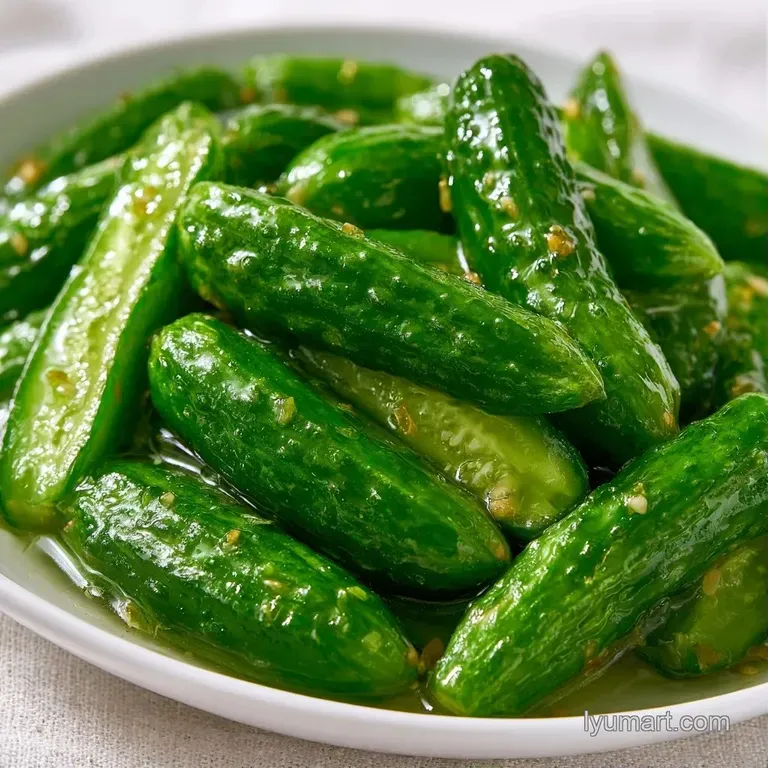
Why Your Pickles Softened
If your Dill Pickles turned out mushy, it usually comes down to the cucumber variety or the salt step. According to Serious Eats, using cucumbers with a high water content like English cucumbers often leads to a softer texture. Skipping the 30 minute salt cure also leaves too much water in the vegetable, which dilutes the brine.
Why Brine Is Cloudy
Cloudy brine can happen if you use tap water with high mineral content. It doesn't affect the taste, but it looks a bit off. Using filtered or distilled water usually keeps the liquid clear.
| Problem | Root Cause | Solution |
|---|---|---|
| Mushy Texture | Wrong cucumber or skipped salt | Use Kirby cucumbers and salt first |
| Too Salty | Over salting or poor rinsing | Rinse thoroughly after the salt cure |
| Bland Taste | Brine not boiling or low vinegar | Ensure a rolling boil and use 5% vinegar |
Customizing Your Brine
I like to play with the heat levels. If you want a more aggressive kick, add a sliced jalapeño or an extra pinch of red pepper flakes to each jar. It doesn't change the structure, just the finish.
For those who prefer a different aromatic profile, you can try Refrigerator Pickles with Garlic recipe which lean heavier on the alliums. You can also swap white vinegar for apple cider vinegar if you want a fruitier, softer tang.
Right then, if you're looking for something slightly sweeter, increase the sugar to 2 tablespoons. It won't make them bread and butter pickles, but it rounds out the sharp edge of the white vinegar.
Scaling Your Batch
Cutting the Recipe in Half Use 1.5 lbs of cucumbers and half the brine ingredients. Use two 16 oz jars instead of four. The boiling time for the brine stays the same, but the cooling happens a bit faster.
Doubling the Batch When making a massive amount of Dill Pickles, don't just double the spices. I've found that doubling the garlic and dill can sometimes overpower the cucumbers. Go for about 1.5x the aromatics, but double the vinegar and water exactly.
If you're using a very large pot for the brine, be careful not to let it boil for too long after the salt dissolves, or you'll lose some of the vinegar's potency through evaporation.
Pickle Myths
Searing meat isn't the only place where myths live. Some people think you need to "can" every pickle to make them last. That's not true for fridge pickles. As long as they stay chilled and the brine is acidic, they're safe and tasty for weeks.
Another one is that you can't use sugar in savory pickles. A small amount of sugar doesn't make them "sweet," it just acts as a flavor balancer. It stops the vinegar from tasting like a cleaning product.
Keeping Your Jars Fresh
Keep these in the coldest part of your fridge, usually the back of the shelf. They'll stay crisp for about 4 to 6 weeks. Always use a clean fork to pull them out, as introducing bacteria from your fingers can make the brine cloudy and shorten the shelf life.
Don't toss the leftover brine. It's basically a seasoned salt vinegar solution. I use it to marinate chicken or even splash a bit into a Russian Summer Soup for a bit of extra brightness. You can also use it to quick pickle sliced red onions for tacos.
Serving and Plating
For a classic look, slice the spears on a bias. This creates longer, thinner pieces that look better on a platter. Arrange them in a heap with a few fresh dill sprigs on top for a pop of green.
If you're serving these with a burger, pat the Dill Pickles dry with a paper towel first. This stops the brine from soaking into the bun and making it soggy.
Honestly, these are great just as they are, straight from the jar. Just make sure they've had that full 24 hours in the fridge. The wait is the hardest part, but the crunch is worth it.
Critical Sodium Level
5812 mg 5,812 mg of sodium per serving (253% 253% of daily value)
The American Heart Association recommends a daily sodium limit of 2,300 mg for most adults to maintain heart health.
Ways to Reduce Sodium
-
Slash Pickling Salt-30%
The 1/4 cup of pickling salt is the primary sodium source; reduce this amount by at least half or use a potassium based salt substitute.
-
Eliminate Pre-Salting-25%
Skip the 2 tbsp of kosher salt used for drawing out moisture, or rinse the cucumbers thoroughly under cold water before pickling.
-
Modify Brine Ratio-20%
Increase the volume of distilled white vinegar and filtered water relative to the salt to maintain volume while lowering concentration.
-
Enhance Aromatics
Increase the amount of fresh dill, smashed garlic, and red pepper flakes to provide a bold flavor profile that compensates for less salt.
Recipe FAQs
Can you use white vinegar for dill pickles?
Yes, distilled white vinegar is the standard. It provides the necessary acidity for preservation and a clean, sharp tang that allows the dill and garlic to shine.
What does white vinegar do in pickles?
It acts as a preservative and flavoring agent. The acetic acid prevents spoilage while creating the signature tart profile of a classic dill pickle.
Do homemade dill pickles in vinegar need to be refrigerated?
Yes, these must be kept in the fridge. Since these are not processed in a boiling water bath, refrigeration is essential for safety. If you enjoy this quick refrigerator technique, it is a great way to preserve seasonal produce without canning equipment.
How long does it take for the flavors to develop in the pickle?
Wait at least 24 hours. This allows the brine to fully penetrate the cucumber cells and the garlic and dill to infuse the slices.
Can brine for refrigerator pickles be reused?
No, discard used brine. Once the cucumbers have absorbed the salt and vinegar, the liquid loses its preservative strength and flavor potency.
How to make homemade pickles with white vinegar?
Boil white vinegar, water, pickling salt, and sugar until dissolved. Pour the hot brine over cucumbers and aromatics packed in jars, then refrigerate for 24 hours.
Is it true that only apple cider vinegar is best for dill pickles?
No, this is a common misconception. Distilled white vinegar is actually the best choice because its neutral profile doesn't compete with the fresh dill and garlic.
White Vinegar Dill Pickles