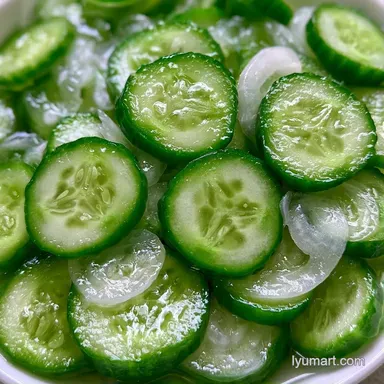
Simple Refrigerator Pickles: Crisp and Tangy
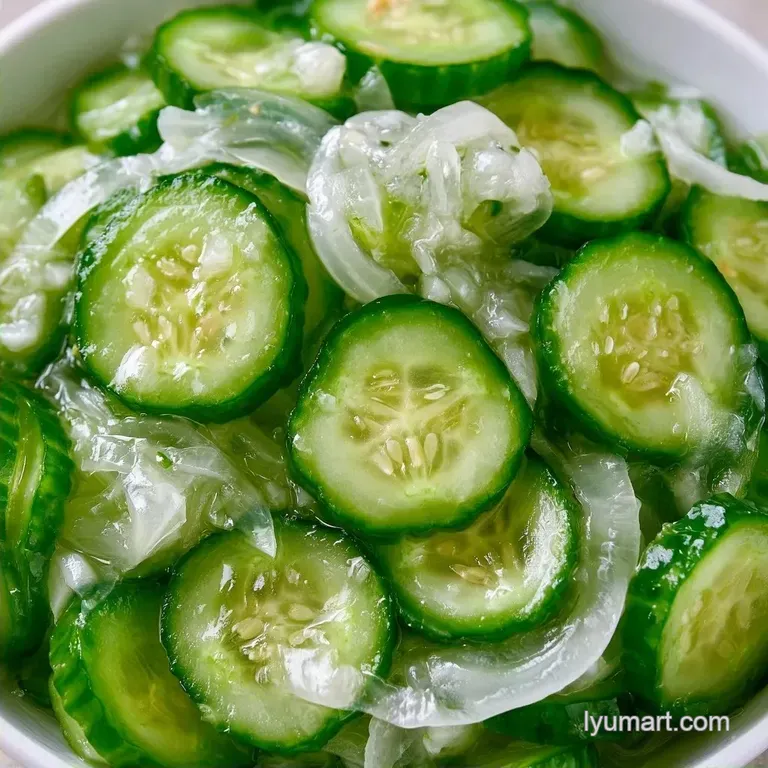
- Time:15 minutes active + 25 hours 5 mins chilling/resting
- Flavor/Texture Hook: Sharp vinegar snap with a crisp, fresh crunch
- Perfect for: budget-friendly meal prep and quick sandwich toppers
- Crunchy and Easy Refrigerator Pickles
- Why This Snack Works
- Ingredient Deep Dive
- Essential Pantry Ingredients
- Simple Tools Required
- Step by Step Process
- Solving Common Pickle Problems
- Troubleshooting Common Issues
- Adjusting Your Batch Size
- Pickling Truths and Lies
- Storage and Waste Tips
- Best Ways to Serve
- Recipe FAQs
- 📝 Recipe Card
Crunchy and Easy Refrigerator Pickles
The smell of fresh dill and sharp vinegar always reminds me of my grandmother's kitchen in late August. She didn't do the fancy canning process with the boiling pots and sterilized jars. Instead, she just packed cucumbers into glass jars and popped them in the icebox.
It was a humble tradition, a way to make the garden harvest last a few weeks longer without any fuss.
I used to think you needed a whole lab setup to make pickles, but that's just not true. These Refrigerator Pickles are for anyone who wants that classic, satisfying crunch without the stress of long term preservation rules. You don't need special equipment, just some fresh produce and basic pantry staples.
The goal here is a bright, clean taste that cuts through rich foods. You'll get a snack that feels homemade and comforting, but it's’ a lot faster than the old-fashioned way. Trust me, once you try these, you'll stop buying the store-bought jars.
Why This Snack Works
The reason Refrigerator Pickles stay so crisp is that we avoid the long, over high heat processing used in canning.
- Cold Curing: Keeping the jars chilled prevents the cell walls of the cucumber from breaking down, which stops them from getting mushy.
- Acetic Acid Balance: The 1:1 ratio of vinegar to water creates a brine that's sharp enough to preserve the veg but doesn't overpower the fresh dill.
Since we aren't storing these on a shelf for a year, we can use a simpler brine. Here is how this method compares to the traditional canned version.
| Feature | Fast Cold Cure | Classic Canning |
|---|---|---|
| Processing | Cold fridge | Boiling water bath |
| Texture | Maximum snap | Softer/Traditional |
| Shelf Life | 3-4 weeks | 1-2 years |
| Equipment | Basic jars | Canning pots & lids |
Ingredient Deep Dive
Before we get into the list, it's helpful to know why these specific items are in the jar. For these Refrigerator Pickles, every ingredient has a job.
| Ingredient | What It Does | Best Swap |
|---|---|---|
| Distilled White Vinegar | Provides acidity and preservation | Apple cider vinegar (milder) |
| Kosher Salt | Draws out moisture and seasons | Sea salt (avoid table salt) |
| Kirby Cucumbers | Holds shape and provides crunch | Persian cucumbers |
| Fresh Dill | Adds the classic herbal aroma | Dried dill weed |
Essential Pantry Ingredients
I've found that using the right cucumber is where most people trip up. Always go for Kirby or Persian types. Regular salad cucumbers have too much water and can turn soft.
- 900g (2 lbs) Kirby cucumbers, sliced into 1/4 inch rounds Why this? Thick skins and firm flesh resist mushiness
- 1 medium white onion, thinly sliced Why this? Adds a sharp, savory contrast to the vinegar
- 4 cloves garlic, smashed Why this? Smashed cloves release more oils than minced ones
- 240ml (1 cup) distilled white vinegar Why this? Clear color and consistent acidity
- 240ml (1 cup) filtered water Why this? Removes chlorine tastes from tap water
- 1 tbsp kosher salt Why this? Larger grains dissolve evenly without over salting
- 1 tbsp granulated sugar Why this? Balances the harshness of the vinegar
- 4 sprigs fresh dill, roughly chopped Why this? Fresh stems have more flavor than leaves
- 1 tsp whole black peppercorns Why this? Adds subtle heat without clouding the brine
- 1/2 tsp mustard seeds Why this? Adds a tiny bit of earthy bitterness
- 1/4 tsp red pepper flakes Why this? Provides a very faint background warmth
| Original Ingredient | Substitute | Why It Works |
|---|---|---|
| White Vinegar | Apple Cider Vinegar | Milder tang. Note: Turns brine a light amber color |
| Kirby Cucumbers | Persian Cucumbers | Naturally crunchier. Note: Usually thinner slices |
| White Onion | Red Onion | Similar flavor. Note: Makes the brine pinkish |
Simple Tools Required
You don't need a professional kitchen for this. I just use a few basic things I already had in my cupboards.
- Wide mouth Mason jars (enough for 6 cups)
- Medium saucepan
- Sharp chef's knife
- Cutting board
- Measuring cups and spoons
Step by step Process
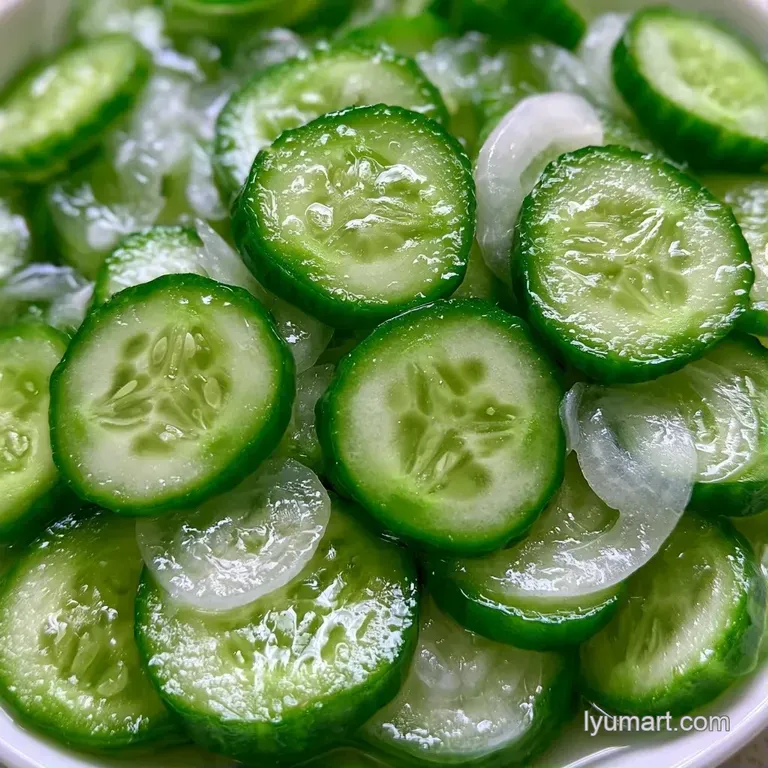
Let's get these Refrigerator Pickles moving. The key is to pack the jars tight so nothing floats to the top.
The Prep and Pack
- Slice the Kirby cucumbers into 1/4 inch rounds.
- Pack the sliced cucumbers, sliced onions, and smashed garlic cloves into clean Mason jars.
- Press the vegetables down firmly with your hand until they are tightly packed. Note: This prevents them from floating once the liquid is added
Infusing the Brine
- Combine water, vinegar, salt, and sugar in a saucepan over medium heat.
- Stir constantly until the salt and sugar dissolve and the liquid begins to simmer.
- Remove the pan from the heat immediately.
- Stir in the fresh dill, peppercorns, and mustard seeds.
The Final Cure
- Pour the hot brine over the cucumbers until the jars are filled to the brim.
- Seal the lids tightly.
- Let the jars sit at room temperature for 1 hour to cool.
- Transfer the Refrigerator Pickles to the fridge to cure for at least 24 hours.
Chef's Note: If you're in a rush, you can drink the brine after 12 hours, but the cucumbers need the full 24 to lose that "raw" veggie taste.
Solving Common Pickle Problems
Even with a simple recipe, things can go sideways. Usually, it's a temperature or produce issue. If you're looking for fast dill pickles, the cold cure is always the way to go.
Troubleshooting Common Issues
| Issue | Solution |
|---|---|
| Why Your Pickles Got Mushy | This usually happens if the cucumbers were too ripe or if the brine was boiling when it hit the veg. High heat cooks the cucumber instead of pickling it. |
| Why Your Brine Is Cloudy | Cloudiness often comes from using tap water with high mineral content or using non distilled vinegar. It doesn't affect the taste, but it looks less clean. |
| Why They Taste Too Sour | If the vinegar is too aggressive, you might have used a high acidity vinegar or skipped the sugar. A tiny pinch of extra sugar can fix this. |
Adjusting Your Batch Size
Making a double batch of Refrigerator Pickles is easy, but don't just double everything blindly.
When scaling up, I only increase the salt and red pepper flakes to 1.5x the original amount. Salt can become overwhelming in large volumes. The liquids (vinegar and water) can be doubled exactly.
If you're using larger jars, remember that they take longer to cool down in the fridge, so give them an extra hour of room temp resting.
For a half batch, simply divide everything by two. If you end up with a half tablespoon of salt, just use a scant tablespoon. It's better to have a slightly saltier pickle than one that spoils quickly.
Pickling Truths and Lies
There are a few myths about Refrigerator Pickles that I see all the time in old cookbooks.
One common lie is that you must boil your jars to make them safe. Since we are keeping these in the fridge and not on a shelf, a clean, washed jar is plenty. The acidity of the vinegar does the heavy lifting.
Another myth is that you can't use a plastic container. While glass is better for the flavor, a food grade plastic container works fine. Just know that plastic can absorb the vinegar smell over time.
Storage and Waste Tips
These Refrigerator Pickles stay crisp and tangy in the fridge for about 3 to 4 weeks. Make sure the lids are tight to keep other fridge smells out. Do not freeze them, as the ice crystals will destroy the cellular structure, leaving you with a mushy mess when they thaw.
Don't toss the leftover brine. It's basically a seasoned vinegar. I use it as a marinade for grilled chicken or drizzle it over a Greek salad for a quick punch of acid. You can also use it to quick pickle some sliced red onions for tacos.
Best Ways to Serve
The beauty of Refrigerator Pickles is their versatility. They provide a sharp contrast to fatty foods.
I love piling these on a classic beef burger or using them as a side for a heavy deli sandwich. For something a bit more adventurous, try pairing them with some garlic chicken shawarma. The acidity of the pickle cuts right through the rich garlic sauce.
They also make a great addition to a charcuterie board. Pair them with a sharp cheddar, some salty salami, and a few crackers. Because they are a budget friendly snack, you can serve a big bowl of them without worrying about the cost.
Right then, you're all set. Just remember to be patient with the 24 hour wait. Your Refrigerator Pickles will be worth every minute of the wait.
Recipe FAQs
Do homemade dill pickles in vinegar need to be refrigerated?
Yes, these must stay chilled. Because they are not processed in a water bath canner, the cold temperature is the only thing preventing spoilage.
How long should you let refrigerator pickles sit before eating?
Wait at least 24 hours. This curing time is essential for the brine to fully penetrate the Kirby cucumbers and develop a deep flavor.
What vinegar is best for refrigerator pickles?
Use distilled white vinegar. It provides a clean, sharp acidity and a clear brine that doesn't discolor your vegetables.
How to make homemade pickles with white vinegar?
Simmer water, distilled white vinegar, salt, and sugar in a saucepan until dissolved, then stir in the spices. Pour this hot brine over packed cucumbers and refrigerate for 24 hours after cooling for one hour.
Can brine for refrigerator pickles be reused?
Yes, it is a versatile seasoned vinegar. Use it as a marinade for grilled chicken or a salad dressing; if you enjoyed balancing acid and salt here, the same principle creates the brightness in our Russian summer soup.
How to make sweet pickles without canning?
Increase the granulated sugar in the brine and follow the same simmer and-pour method. These remain safe in the refrigerator without any need for heat processing jars.
Is it true that all homemade pickles must be canned to be safe?
No, this is a common misconception. Refrigerator pickles are perfectly safe as long as they are kept constantly chilled and consumed within 3 to 4 weeks.
Crisp Refrigerator Pickles