Old Fashioned Dill Pickle Relish: Crisp
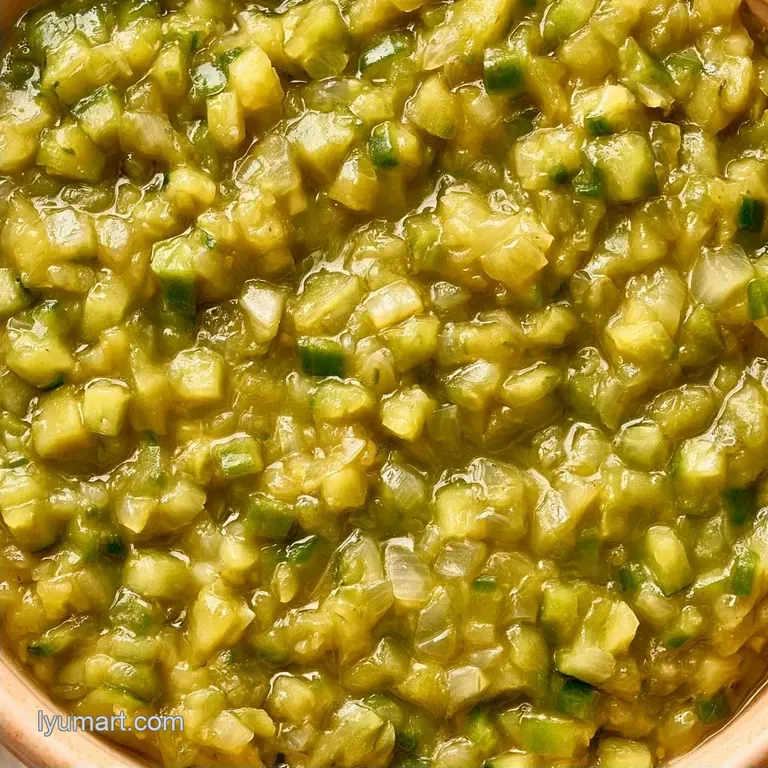
- Time: 30 min active + 2 hours soaking
- Flavor/Texture Hook: Tangy, punchy, and shattering crunch
- Perfect for: Hot dogs, burgers, and winter pantry stocking
The worst thing is when you open a jar of homemade relish and it's just a pile of mush. I've been there, staring at a bowl of soggy cucumber bits that had zero snap and tasted like watered down vinegar.
It usually happens because the water inside the cucumber cells boils right along with the brine, essentially steaming the vegetable from the inside out.
You don't need a fancy lab to fix this, just a bit of patience and a big bowl. This Dill Pickle Relish Canning Recipe solves the mush problem by stripping the excess water before the heat ever touches the pan.
Once you get this right, you'll notice a huge difference in the texture. It’s a humble condiment, but when it's got that bright, vinegary pop and a real crunch, it makes a basic burger feel like something special.
Why the Crunch Stays
- Salt Drawing: The initial soak uses osmosis to pull water out of the cucumber cells. This means there is less liquid to turn into steam, which prevents the relish from getting soft.
- Vinegar Acid: Using a 5% acidity distilled vinegar keeps the pH low. This inhibits spoilage and provides that sharp, clean tang that cuts through fatty meats.
- Turmeric Tint: While it adds a earthy note, the turmeric primarily gives the relish that classic, bright yellow glow without needing artificial dyes.
What Each Ingredient Does
| Ingredient | Role | If You Don't Have It |
|---|---|---|
| Firm Cucumbers | Main body and crunch | Zucchini (peeled), but it's softer |
| Distilled Vinegar | Preservative and tang | Apple cider vinegar (changes color) |
| Canning Salt | Draws moisture, no additives | Kosher salt (check for additives) |
| Dill Seeds | Signature savory aroma | Dried dill weed (less punchy) |
One thing to keep in mind is the salt. I always use canning salt because table salt has anti caking agents that make the brine cloudy. It doesn't change the taste, but it looks much cleaner in the jar.
The Ingredient List
Brine soak ingredients: 4 lbs firm cucumbers, peeled and finely chopped The reason: Firmer skins provide a superior crunch. 1 cup water 1/4 cup canning salt 1 tsp ground turmeric
Relish base ingredients: 2 cups white onion, finely chopped 2 cups white distilled vinegar (5% acidity) Note: Essential for a safe water bath canning process. 2 tbsp canning salt 2 tbsp sugar Tip: This provides a subtle balance to the
Acidity. 2 tbsp dill seeds 1/2 tsp celery seed
For a sweeter flavor profile, try replacing the white vinegar with apple cider vinegar and an extra pinch of sugar, keeping in mind it deviates from the traditional dill taste.
Tools You'll Need
Minimal equipment is required for this process. Use a large non-reactive bowl (glass or plastic) for the soaking stage, as salt and vinegar can corrode aluminum. You will also require a stainless steel saucepan and a colander for rinsing.
For the canning process, a standard water bath canner and sterilized pint jars are recommended. If you lack a professional canner, a very deep stockpot that covers the jars by an inch of water works perfectly.
Step-by-step Instructions
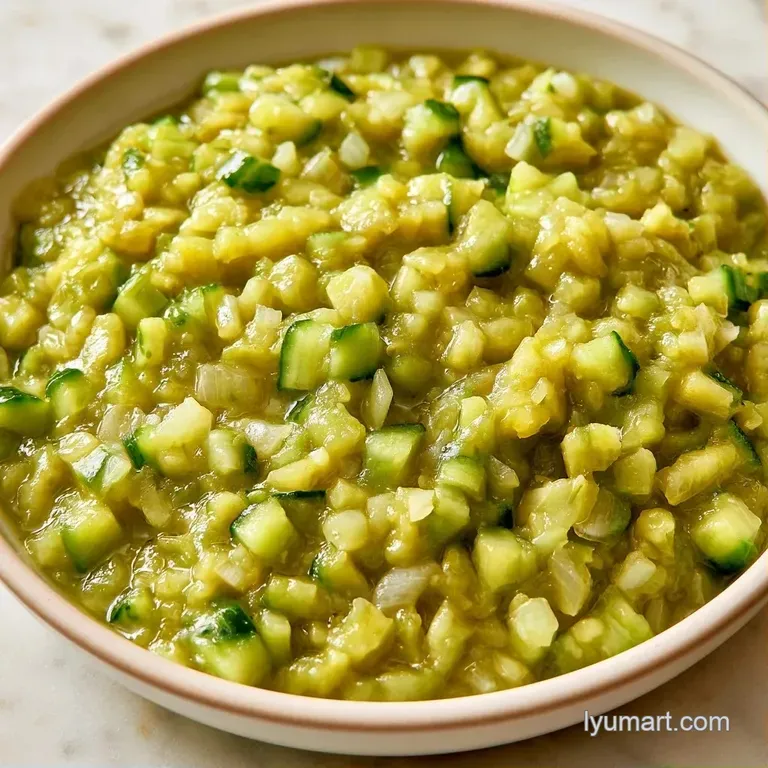
Phase 1: The Firming Soak
- In a large bowl, combine the diced cucumbers, water, 1/4 cup canning salt, and turmeric. Note: Ensure every piece is yellow and thoroughly coated.
- Allow the mixture to rest for exactly 2 hours at room temperature. You will notice the cucumbers release a considerable amount of liquid while sitting.
- Place the cucumbers in a colander and rinse under cold running water. Wash until all salt is gone and the water runs clear.
- Drain the cucumbers completely, shaking the colander to remove any remaining water.
Phase 2: Simmering the Mixture
- Add the drained cucumbers, diced onions, white distilled vinegar, 2 tbsp salt, sugar, dill seeds, and celery seed to a saucepan.
- Over medium high heat, bring the ingredients to a boil.
- Lower the heat and simmer for 15 minutes. The liquid should thicken a bit and the onions should become translucent.
Phase 3: The Jarring Process
- Spoon the hot relish into sterilized pint jars, leaving a 1/2 inch gap from the rim.
- Wipe the rims clean and fasten the lids and bands.
- Process the jars in a water bath canner. Follow the safety protocols from the Source: National Center For Home Food Preservation to guarantee a proper seal.
Chef's Note: Avoid overcooking the relish in the pan. Simmering for too long will ruin the crisp snap created during the initial soak.
Fixing Common Problems
If your relish comes out too runny, it's usually because the rinsing phase was too rushed. If the cucumbers aren't drained properly, that extra water dilutes the brine. Another issue is the seal. If the lids don't pop, you might not have had enough water in the canner or the rims were greasy.
When the color looks pale, it's often because the turmeric wasn't mixed well during the initial soak. The color should be a bright, consistent yellow throughout the dice.
Watery Texture
This happens when the osmosis step is skipped or the drain time is too short.
Poor Jar Seals
Usually caused by improper headspace or residue on the jar rim.
Dull Color
Occurs when turmeric is clumped or omitted from the initial soak.
| Problem | Root Cause | Solution |
|---|---|---|
| Mushy Veggies | Skipped salt soak | Soak for full 2 hours |
| Cloudy Brine | Used table salt | Use pure canning salt |
| Too Sour | Low sugar ratio | Add 1 tbsp more sugar |
Make It Your Own
You can adjust the flavor profile depending on what you're pairing this with. Some enjoy a spicier version, whereas others prefer a cleaner, saltier taste.
- To increase the heat: stir in 1/2 tsp of red pepper flakes while simmering.
- For more garlic flavor: mix in 2 tbsp of minced fresh garlic after the boil.
- For a softer tang: adapt the sugar ratio from this Bread and Butter Pickles recipe.
If you would rather have larger pieces of vegetable, cut your cucumbers into 1/4 inch cubes instead of a fine dice. This alters the texture but keeps the flavor profile intact.
Method Comparison
| Fresh Style | Canned Style |
|---|---|
| Eat within 2 weeks | Shelf stable for 1 year |
| Brighter, raw flavor | Deeper, blended taste |
| Keeps in fridge | Stored in pantry |
Preservation Guidelines
Keep your processed jars in a dim, cool area like a basement or pantry. Once the seal is broken, move the jar into the refrigerator, where it will stay fresh for roughly 3 to 4 months.
To reduce waste, utilize the leftover brine at the bottom of the jar as a fast marinade for grilled chicken or to flavor a potato salad. Instead of throwing away the cucumber peels, store them in a freezer bag for your next compost pile or use them to make a refreshing cucumber infused water.
If you prefer not to can, simply place the cooled relish in a jar and keep it chilled. It won't last a year, but this approach is similar to a Pickles with Fresh Dill recipe and is ideal for short term storage.
How to Serve and Enjoy
This condiment is an incredibly versatile addition to any kitchen. While it is a natural fit for burgers and hot dogs, it also pairs wonderfully with grilled bratwursts or smoked sausages, as the acidity helps balance the richness of the meat.
For a quick tartar sauce to accompany fried fish, simply stir a tablespoon of this relish into mayonnaise with a squeeze of lemon. It also elevates a turkey and Swiss deli sandwich by adding a satisfying crunch that standard pickle slices lack.
If you want to experiment, try folding some relish into a potato salad. It replaces the need for additional vinegar and introduces small pops of flavor throughout. Since the relish is quite punchy, remember to taste as you go.
Recipe FAQs
How to make relish from cucumbers?
Combine diced cucumbers, water, salt, and turmeric, then soak for two hours before simmering with vinegar and aromatics.
Tip: Use a non-reactive bowl to avoid metallic tastes.
Is it true that skipping the salt soak is fine?
Actually, no.
Tip: This step is essential for removing excess water to ensure a crisp texture.
What foods pair best with dill relish?
It complements hot dogs, hamburgers, and potato salads perfectly.
Tip: Try adding a scoop to a turkey sandwich for extra acidity.
Can I make the relish sweeter?
Add a few extra tablespoons of sugar to the saucepan before simmering.
Tip: Taste the mixture after simmering for 15 minutes to adjust the balance.
Why does the relish seem watery?
The cucumbers were likely not rinsed and drained thoroughly after the two-hour salt soak.
Tip: Shake the colander well to remove all residual liquid.
Which method pickles cucumbers with vinegar?
Simmer the drained cucumbers and onions in white distilled vinegar, salt, sugar, and seeds for 15 minutes.
Tip: If you loved the sweet tart balance here, a similar acid technique is used in classic peach jam.
When do the flavors fully develop?
The relish tastes best after sitting in the jars for one to two weeks.
Tip: Store them in a cool, dark place to maintain the vibrant yellow color.
Do I have to can these for preservation?
That's a myth.
Tip: You can store the relish in the refrigerator if you skip the water bath, though it will not be shelf stable.
Dill Pickle Relish Canning